The Met's 'Costume Art' Exhibit Puts Every Type of Body on Display – Latest Fashion Trends & Style Tips May 5, 2026 at 03:42AM
📰 The Met's 'Costume Art' Exhibit Puts Every Type of Body on Display
{% if EntryImageUrl and EntryImageUrl != "" %}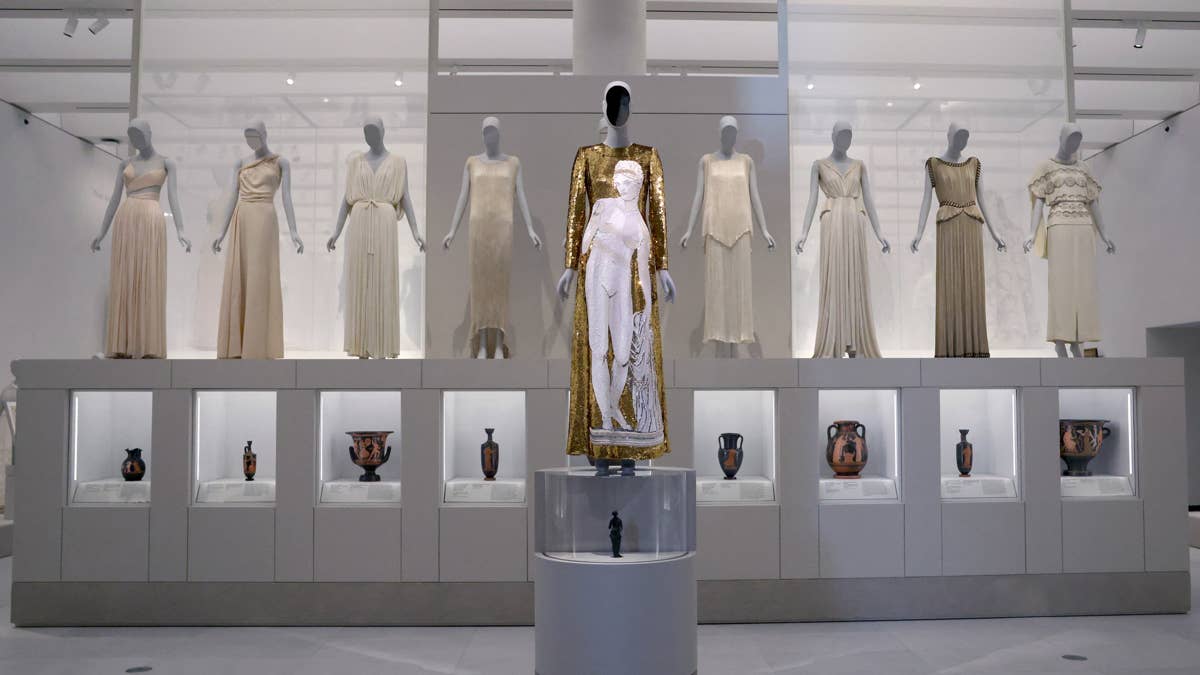
✨ Fashion Insights & Trends:
"For a long time, fashion has been positioned in the margins of art as decorative, as representational and as supplementary," Andrew Bolton, the Metropolitan Museum of Art's Costume Institute curator in charge, said Monday morning at the press preview for the museum's spring exhibit. "'Costume Art' rejects that position. It affirms fashion as a craft in its own right."
The idea that fashion is art (which happens to be the dress code for Monday night's Met Gala) may not be difficult to accept today, but it's quite ambitious to showcase such a broad concept in a curated environment. The museum tackles this by defining the exhibit as an exploration of the dressed body — examining how it's shaped history, art and identity.
"Clothing is never neutral," Bolton said. "It mediates between the self and the world, expressing who we are, where we belong and how we wish to be seen. 'Costume Art' [implores] us to see the dressed body not only as an object of representation, but as a subject of experience — a medium through which the history of art can be reimagined."
The exhibit occupies a new, nearly 12,000-square-foot gallery space, which is divided into two main galleries: "Diversity in Bodily Being" and "Bodily Being in Its Universality." The former is further divided into subsections, including "Reclaimed Body," "Disabled Body," "Pregnant Body," "Corpulent Body," "Naked & Nude Body," "Classical Body" and "Abstract Body."
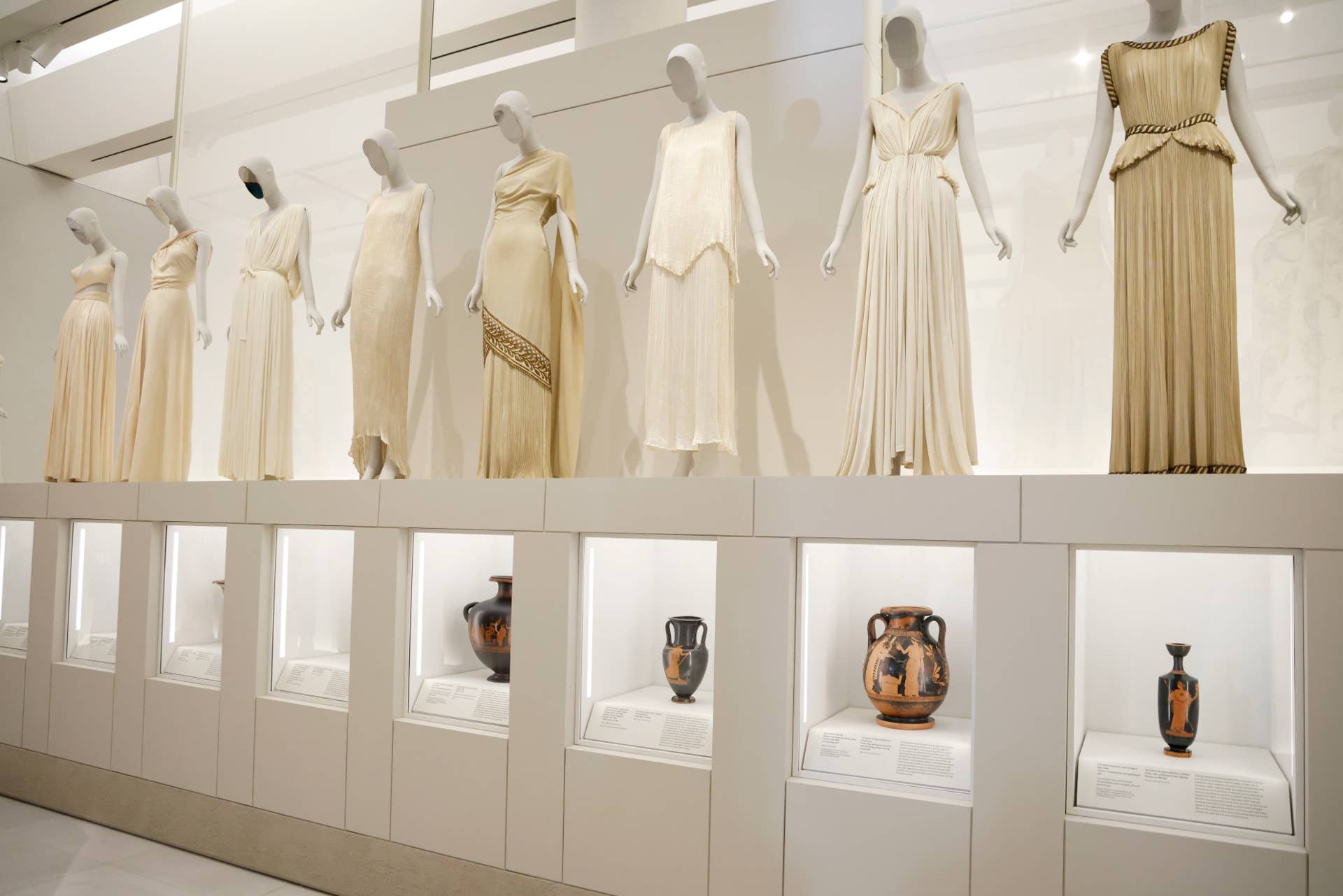
Photo: Taylor Hill/WireImage
Upon entering the exhibit, visitors first encounter "Naked & Nude Body," which showcases the human form through transparent and skin-toned clothing. Then viewers step into the "Classical Body" section: Situated along a row of columns are Grecian dresses crafted by designers such as Madame Grès and Eta Hentz. "Abstract Body" comes next, featuring historical garments that explore how clothing elements such as corsets and bustles have shaped the human form.
Then comes "Reclaimed Body," spotlighting garments with warped silhouettes to demonstrate the beauty of distorted figures. Rounding out the sections are "Pregnant Body," "Disabled Body," and "Corpulent Body," which celebrate marginalized bodies that have historically been discriminated against and isolated. These feature a diverse array of mannequins representing pregnant, disabled and plus-size physiques. (It's an interesting, and somewhat ironic, decision given the industry's current regression in body-positivity efforts.) Designers featured include Karoline Vitto, Di Petsa and Duran Lantink.
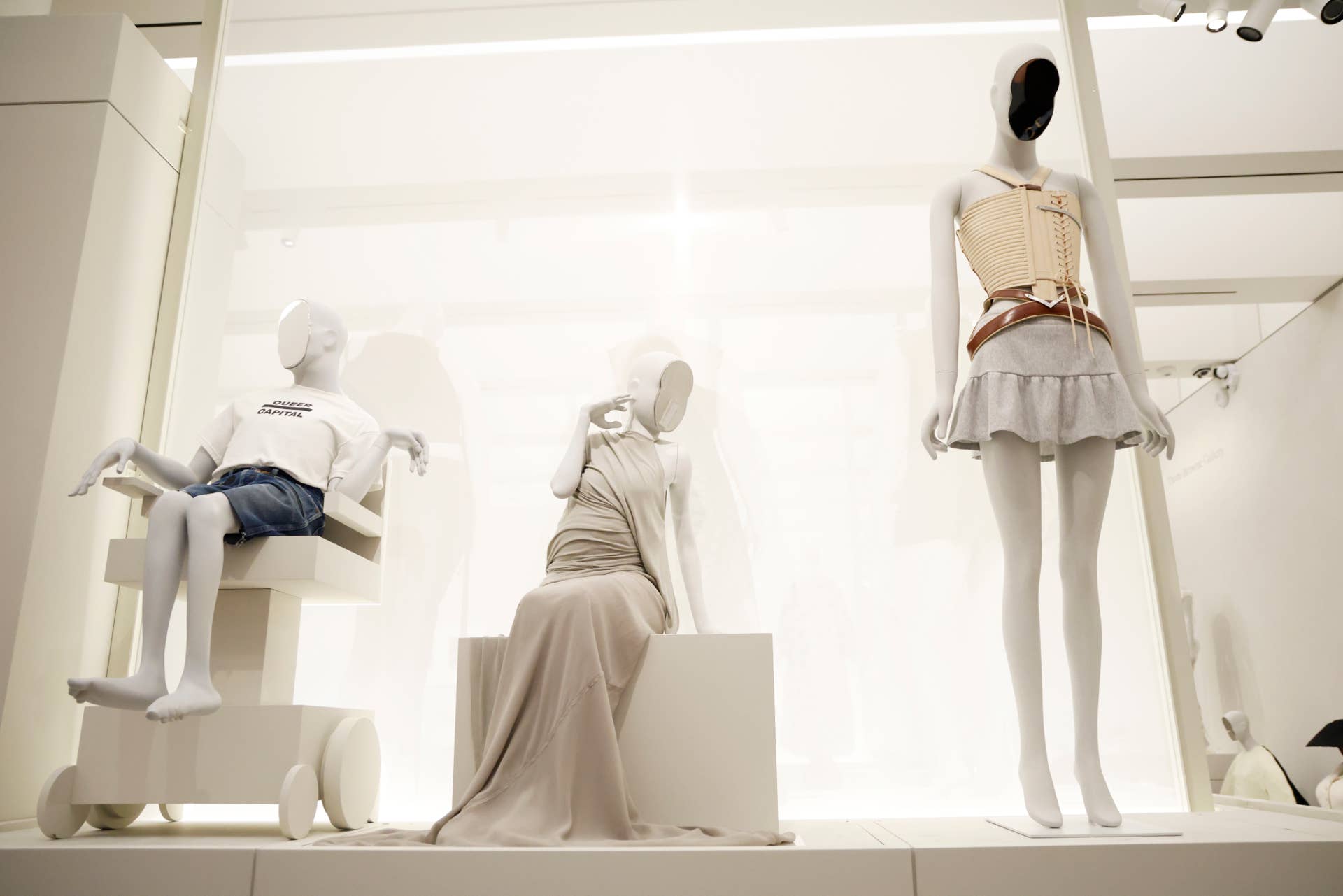
Photo: Taylor Hill/WireImage
"Here, fashion doesn't simply accompany art, it interprets it. The dressed body becomes the prism through which we encounter paintings, sculpture, photography and decorative arts," Bolton explained. "We frame them through the logic of dress. And in doing so, the exhibition reveals how clothing structures visibility, constructs identity and mediates how our bodies are represented and understood. We're animating art through our connection to our lived and bodied experience,"
The other section of the exhibit, "Bodily Being in Its Universality," looks at the human figure in its most literal sense, showcasing garments that highlight the human anatomy. Its subsections include the "Inscribed Body" (featuring tattoo-printed works); "Vital Body" (an exploration of veins, vessels and blood); "Anatomical Body" (the skeletal and muscular structure, best depicted by a standout Thom Browne dress with hand-stitched embroidered biological structure); "Aging Body and the Mortal Body" (Batsheva's "Hag" sweater perfectly illustrates the reality of getting old) and "Epidermal Body" (gowns and boned corsets centered around skeletons).
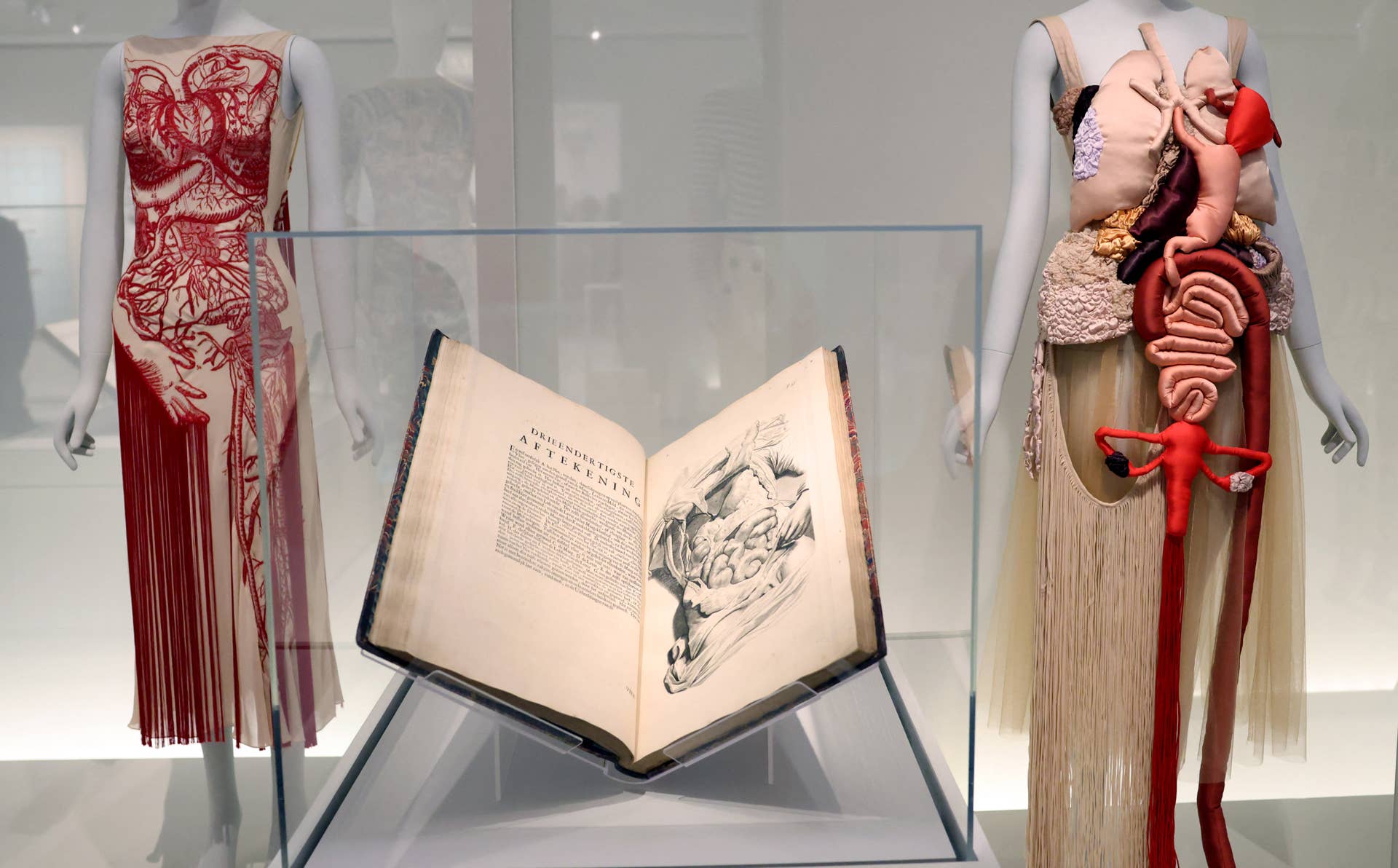
Photo: Timothy A. Clary/AFP via Getty Images
While "Costume Art," like most art forms, allows viewers to form their own takeaways from the experience, it objectively positions fashion as a medium to be taken seriously. It illustrates how clothing has shaped history and impacts the way we view ourselves and others.
"The exhibition is a testament to the truth that to study fashion is to study ourselves," Bolton concluded. "The history of art cannot be taught without the history of dress, and the history of dress is, fundamentally, the history of the human body."
"Costume Art" will be open from May 10, 2026 through Jan. 10, 2027. See more pictures below.
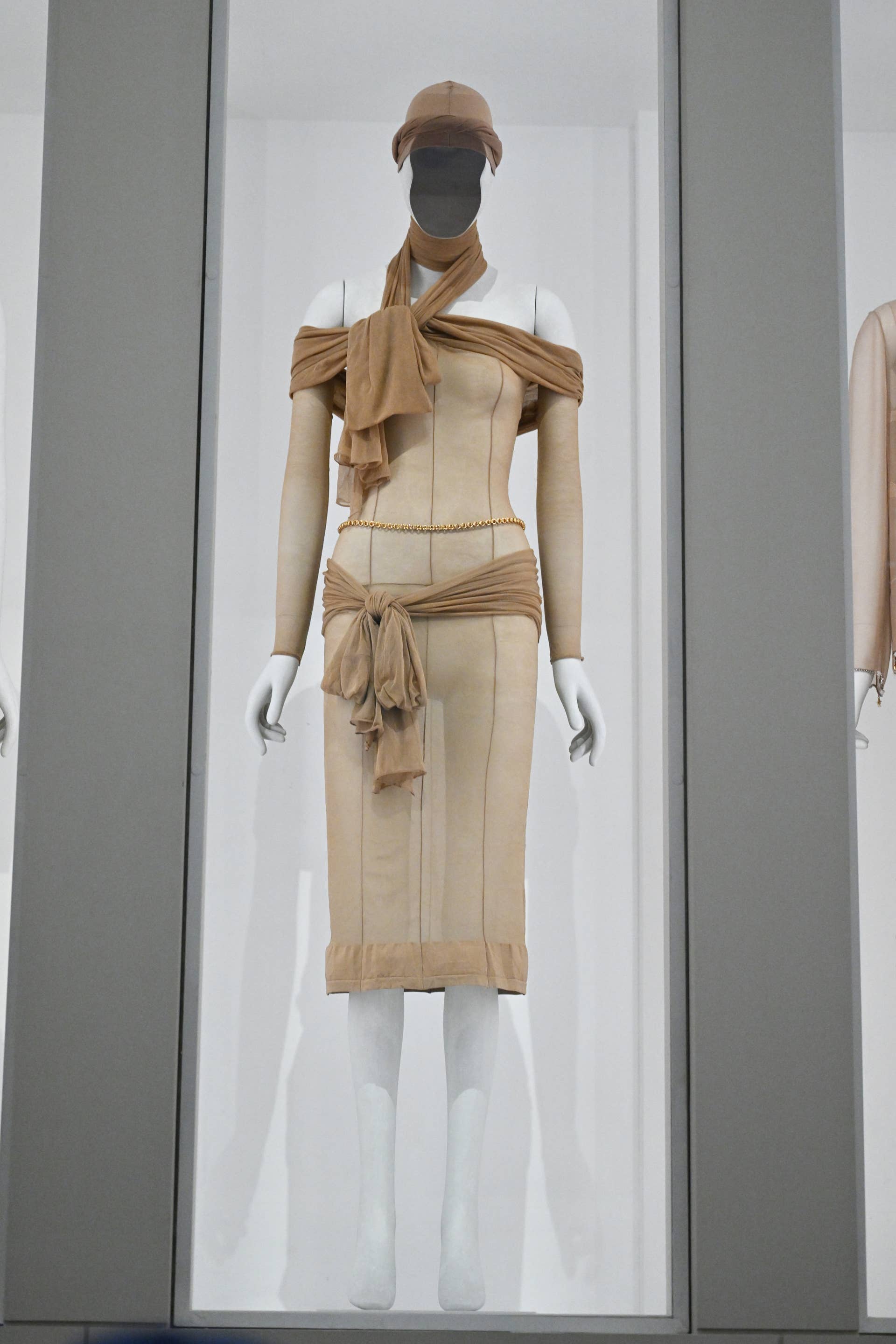
Photo: Roy Rochlin/Getty Images
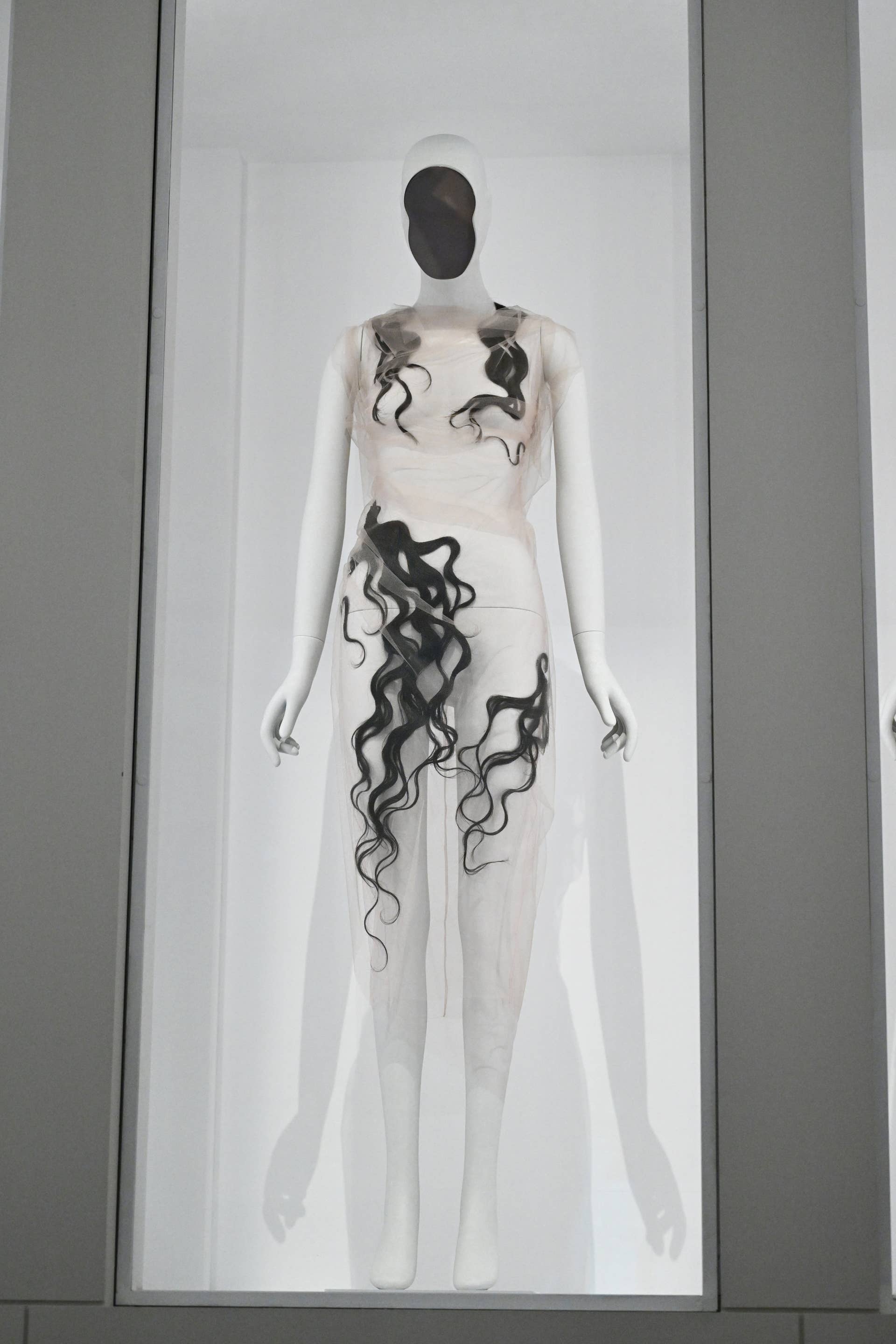
Photo: Roy Rochlin/Getty Images
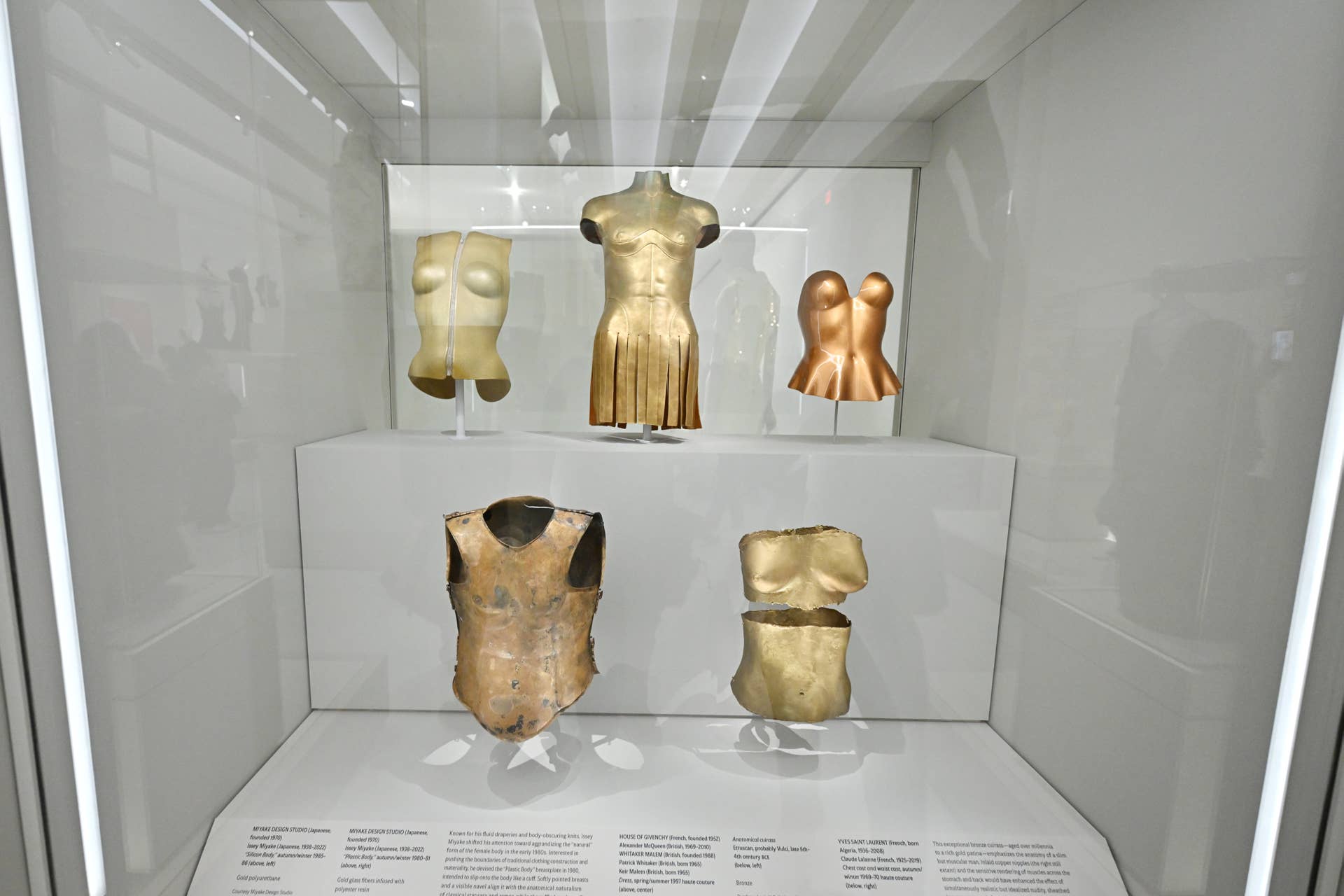
Photo: Roy Rochlin/Getty Images
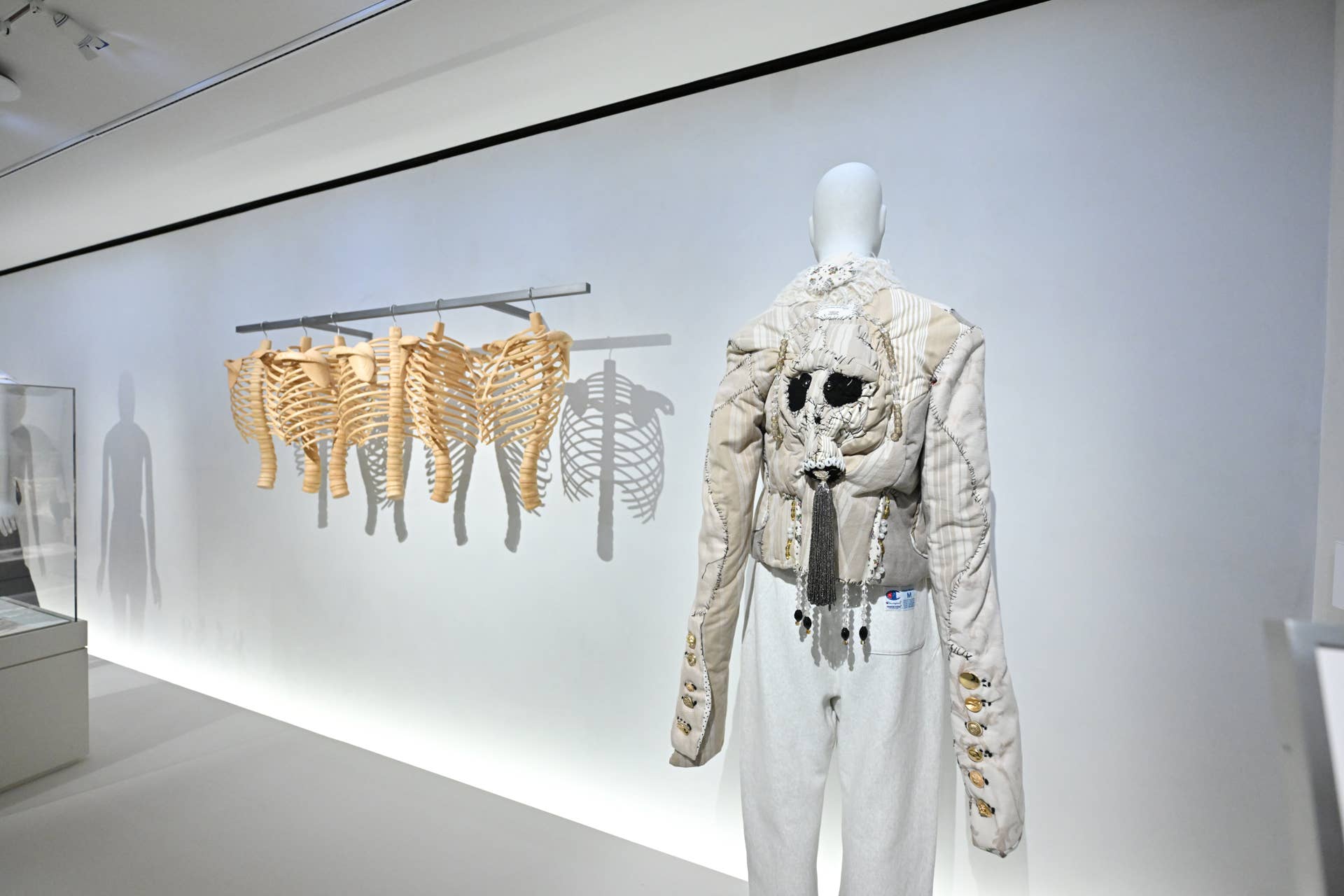
Photo: Roy Rochlin/Getty Images
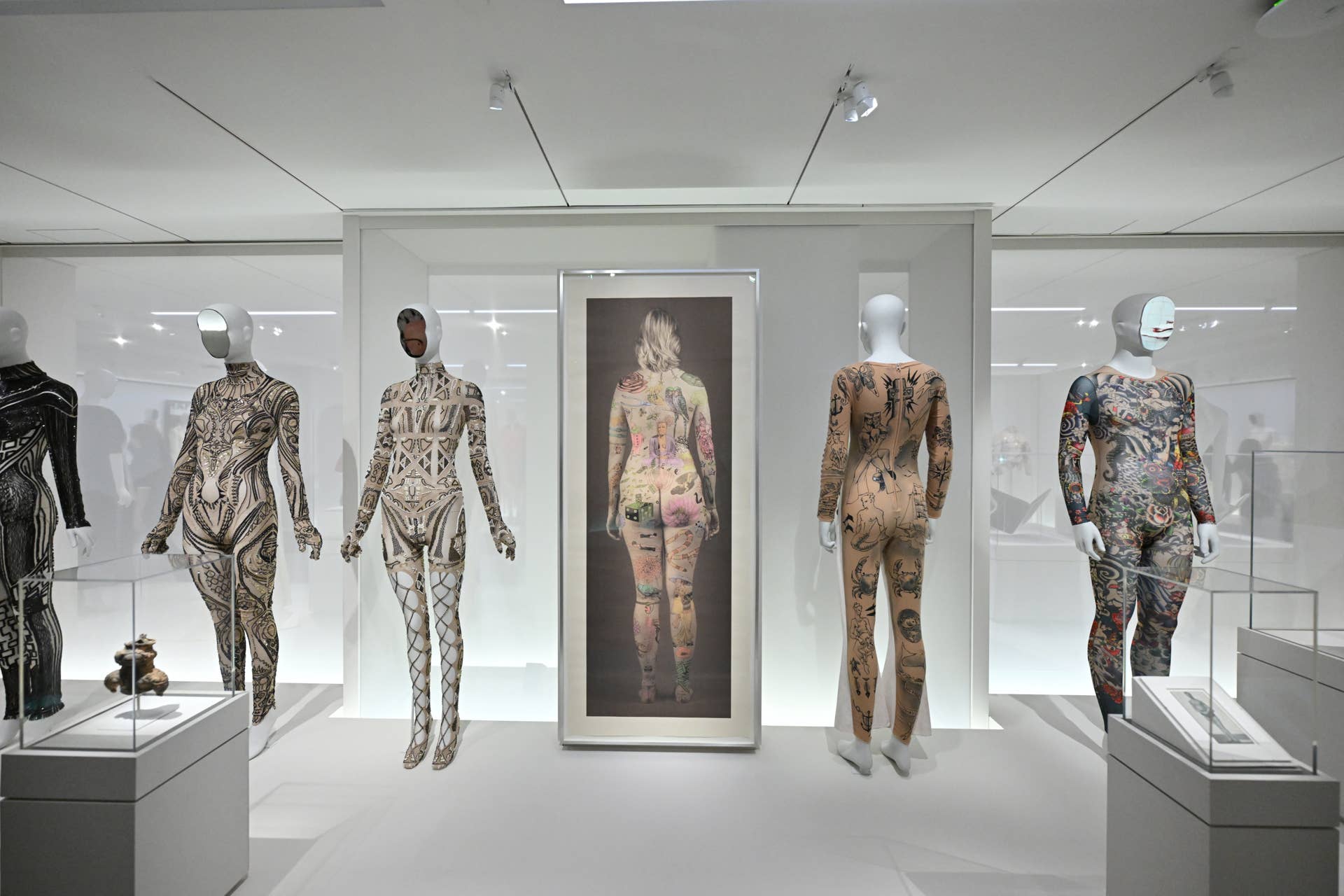
Photo: Roy Rochlin/Getty Images
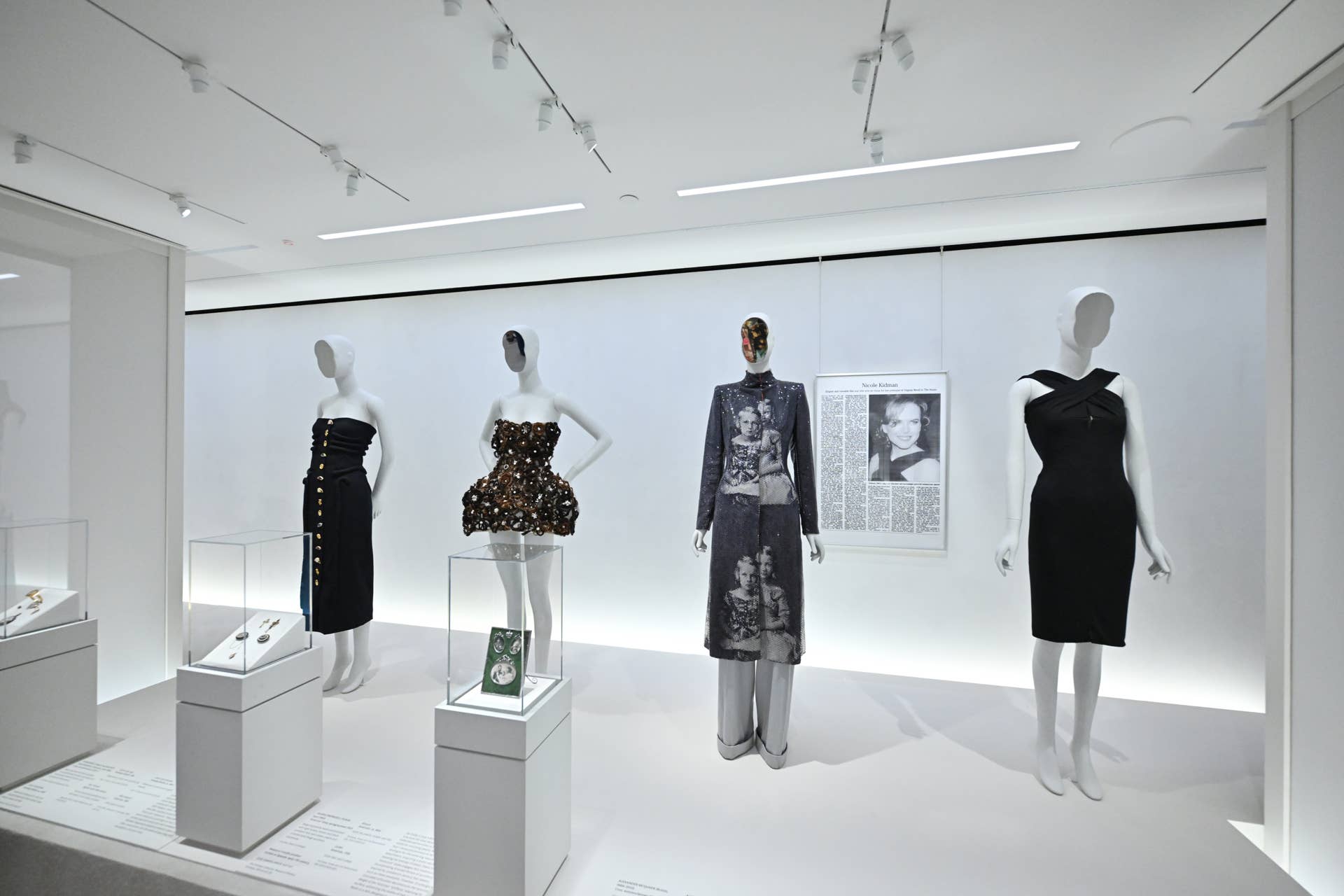
Photo: Roy Rochlin/Getty Images
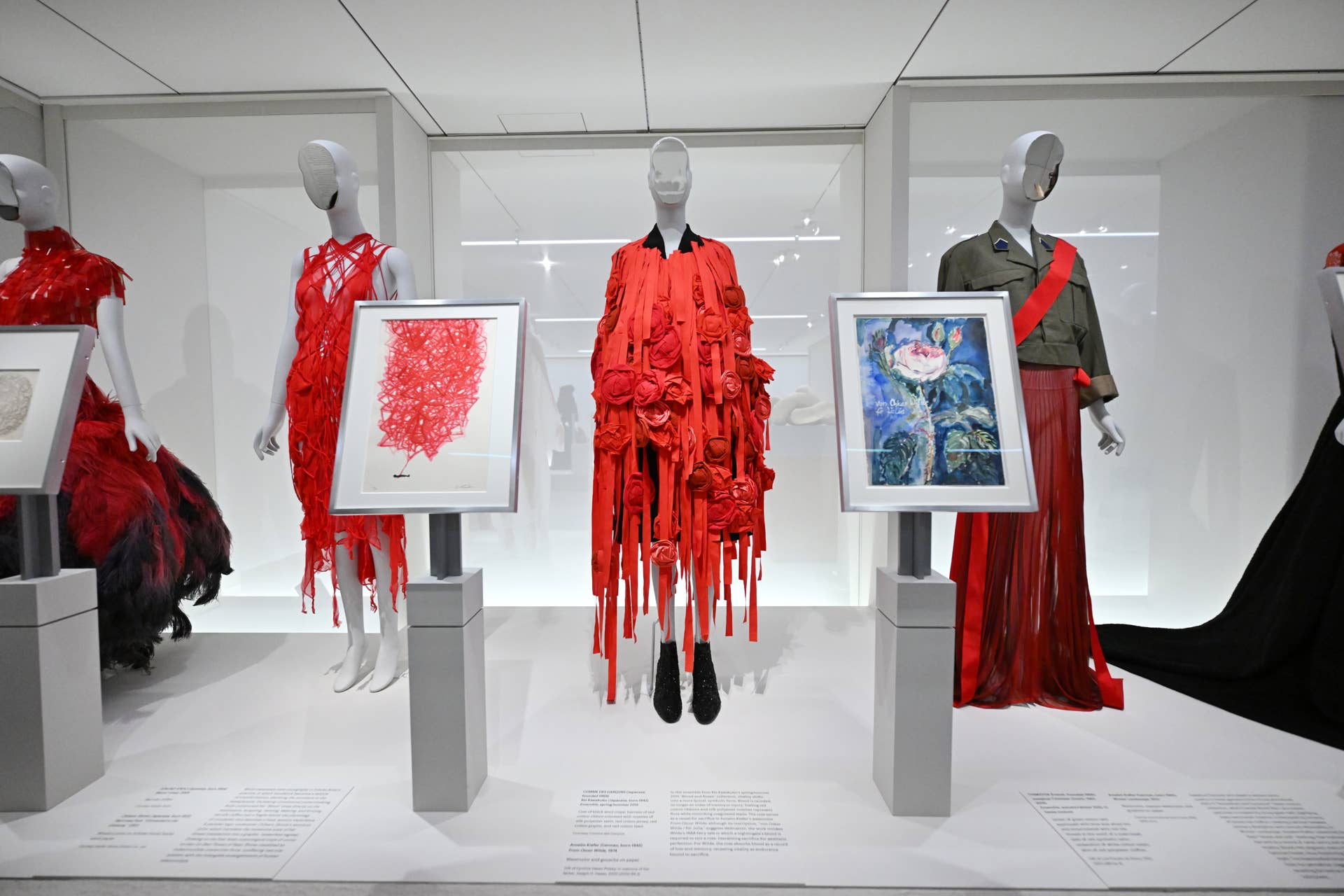
Photo: Roy Rochlin/Getty Images
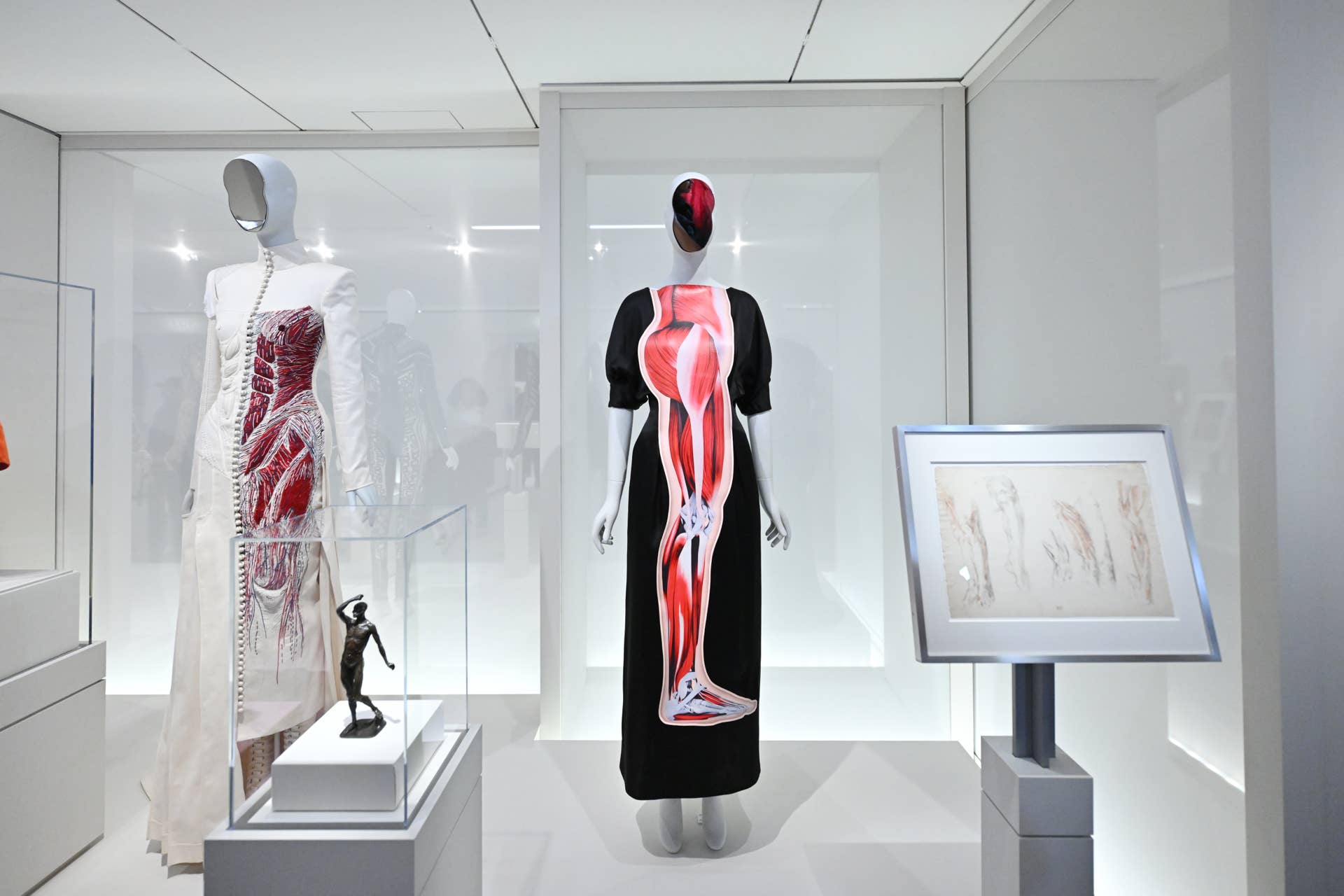
Photo: Roy Rochlin/Getty Images
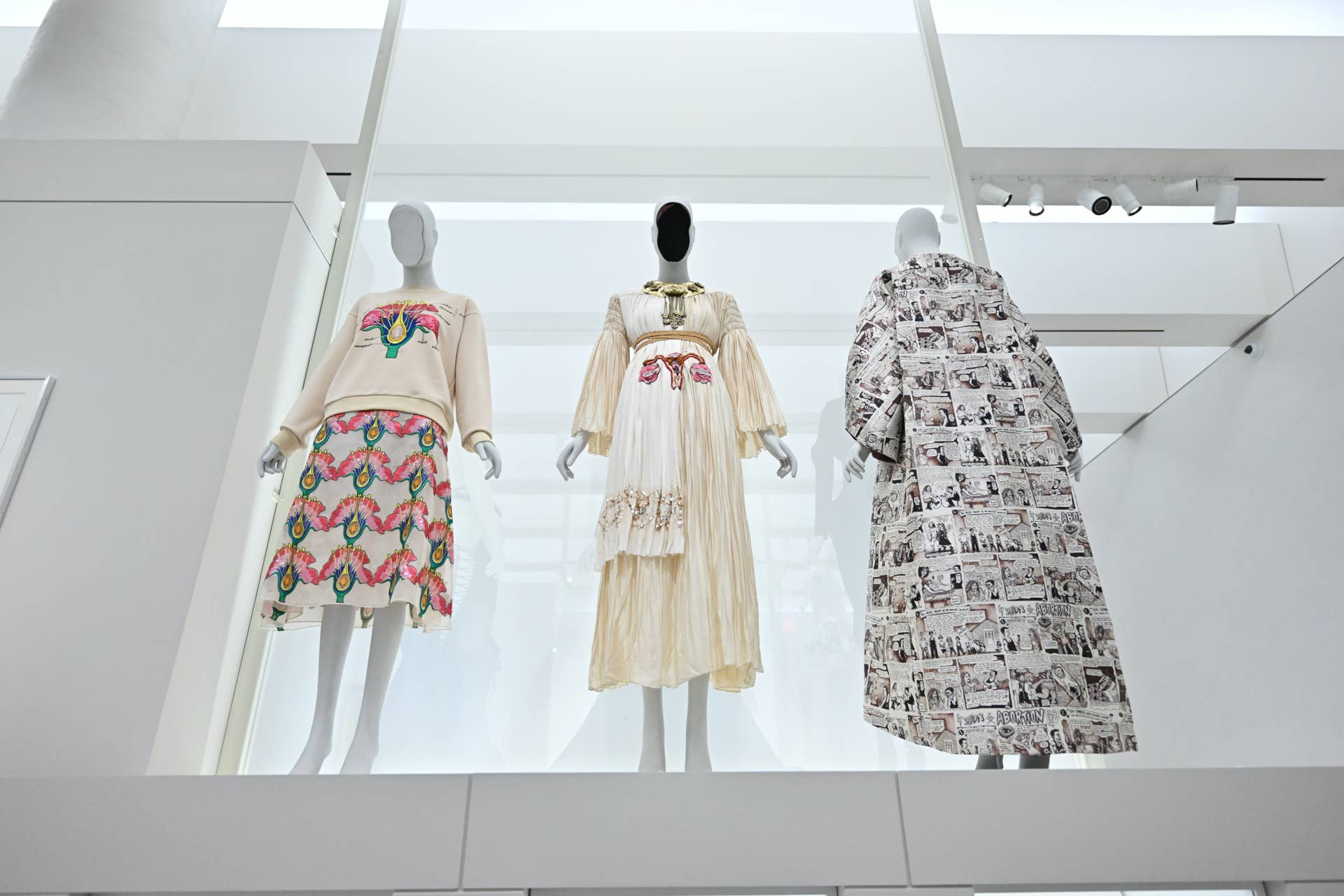
Photo: Roy Rochlin/Getty Images
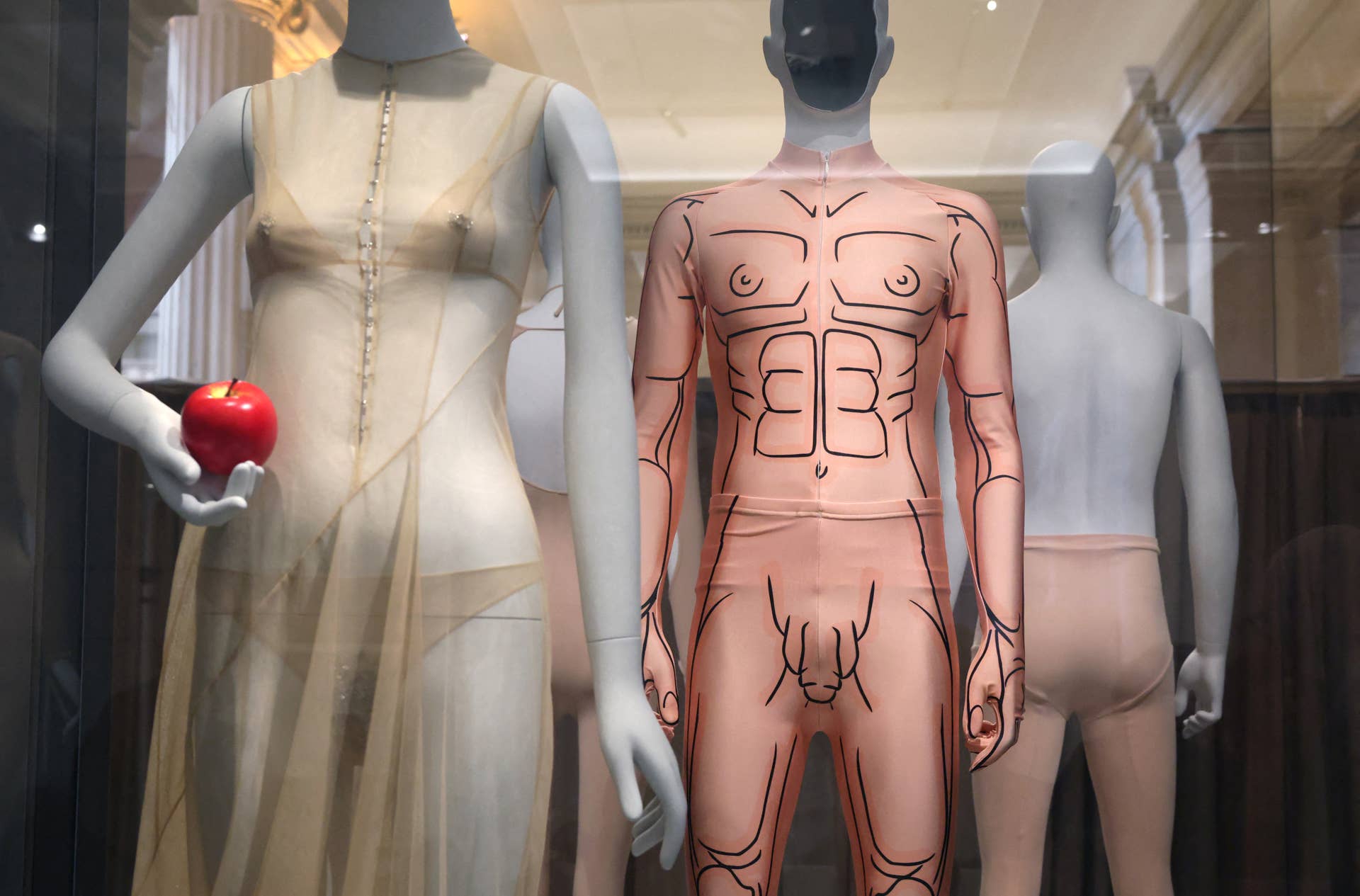
Photo: Timothy A. Clary/AFP via Getty Images
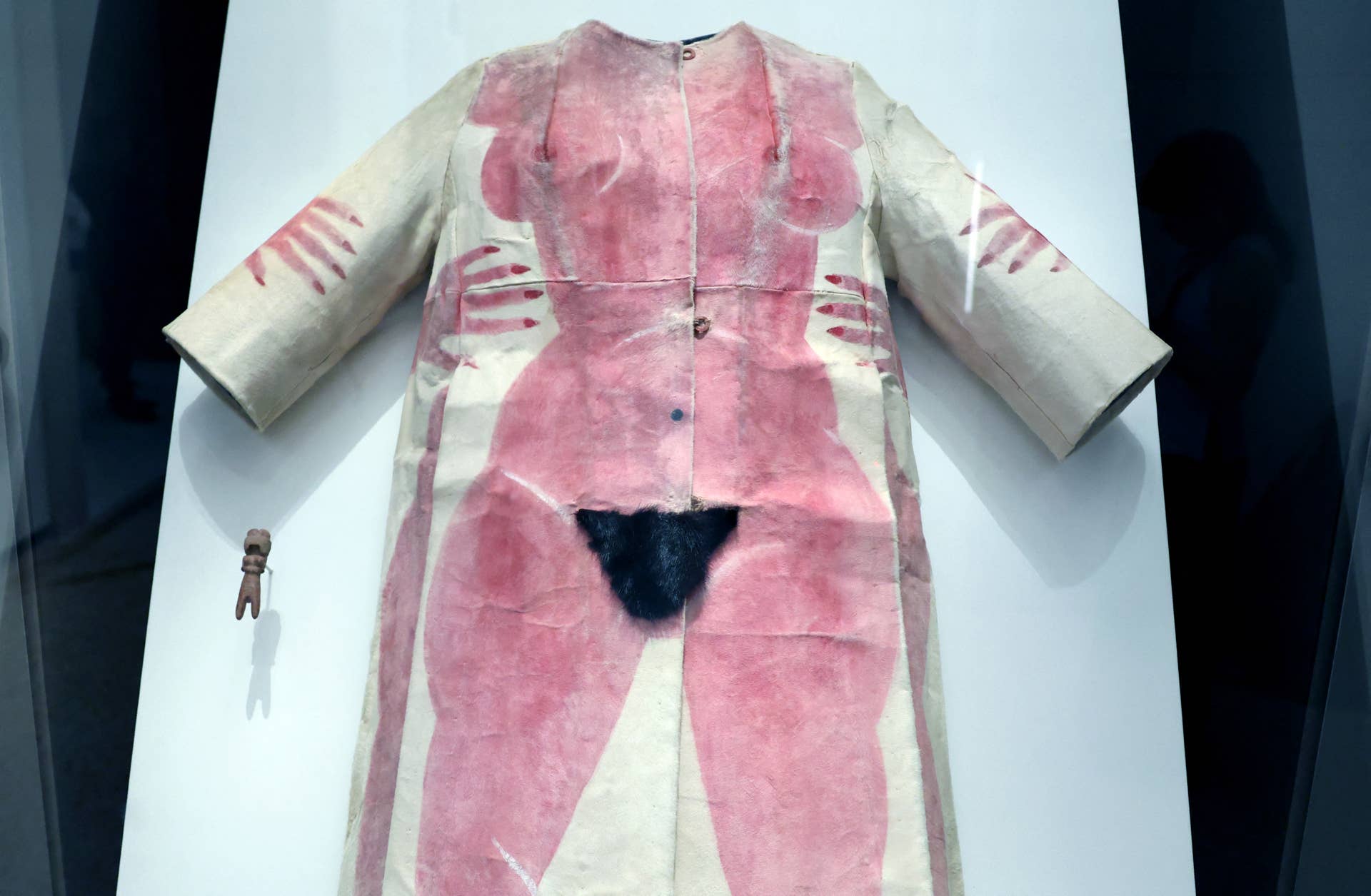
Photo: Timothy A. Clary/AFP via Getty Images
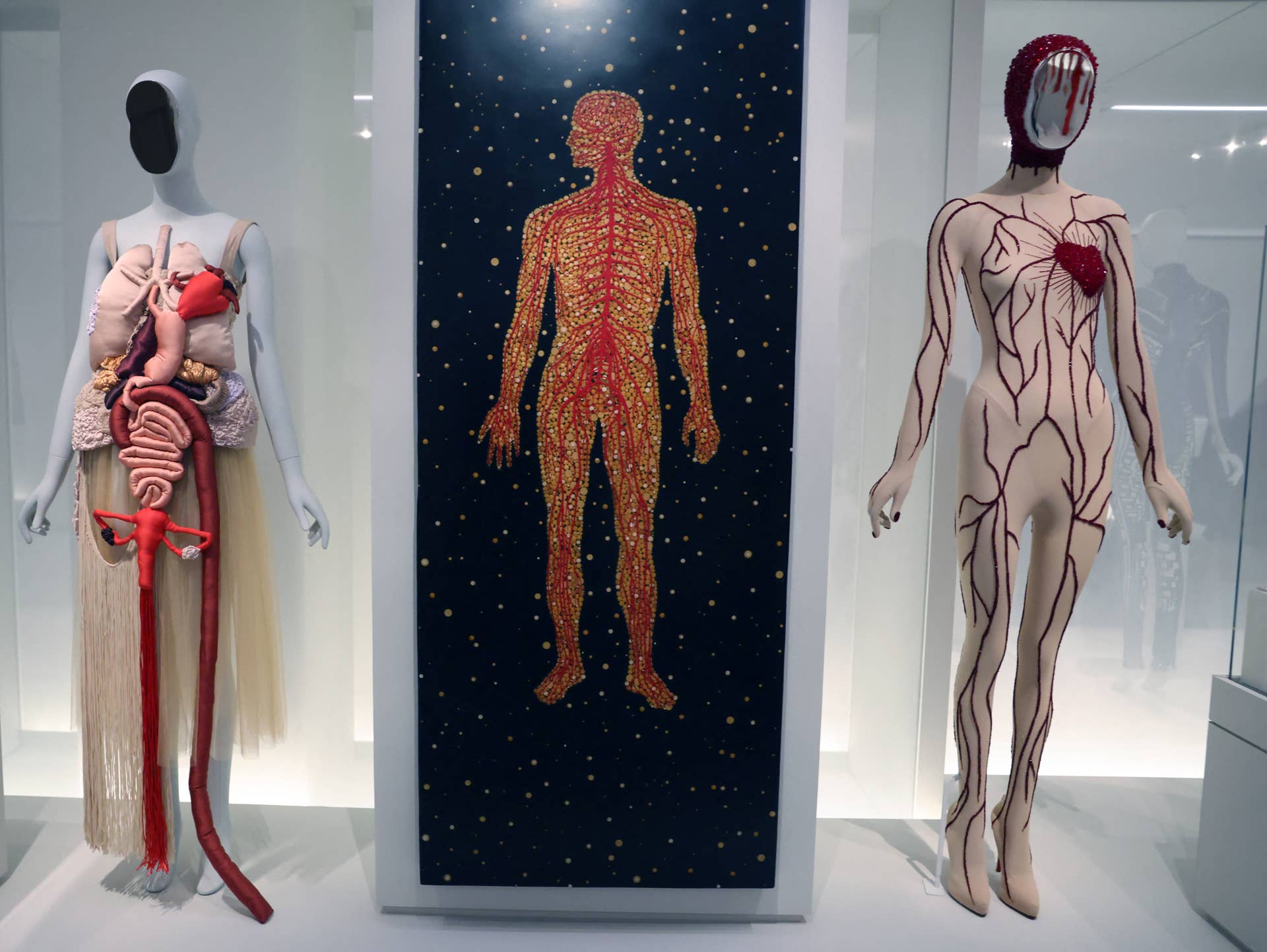
Photo: Timothy A. Clary/AFP via Getty Images
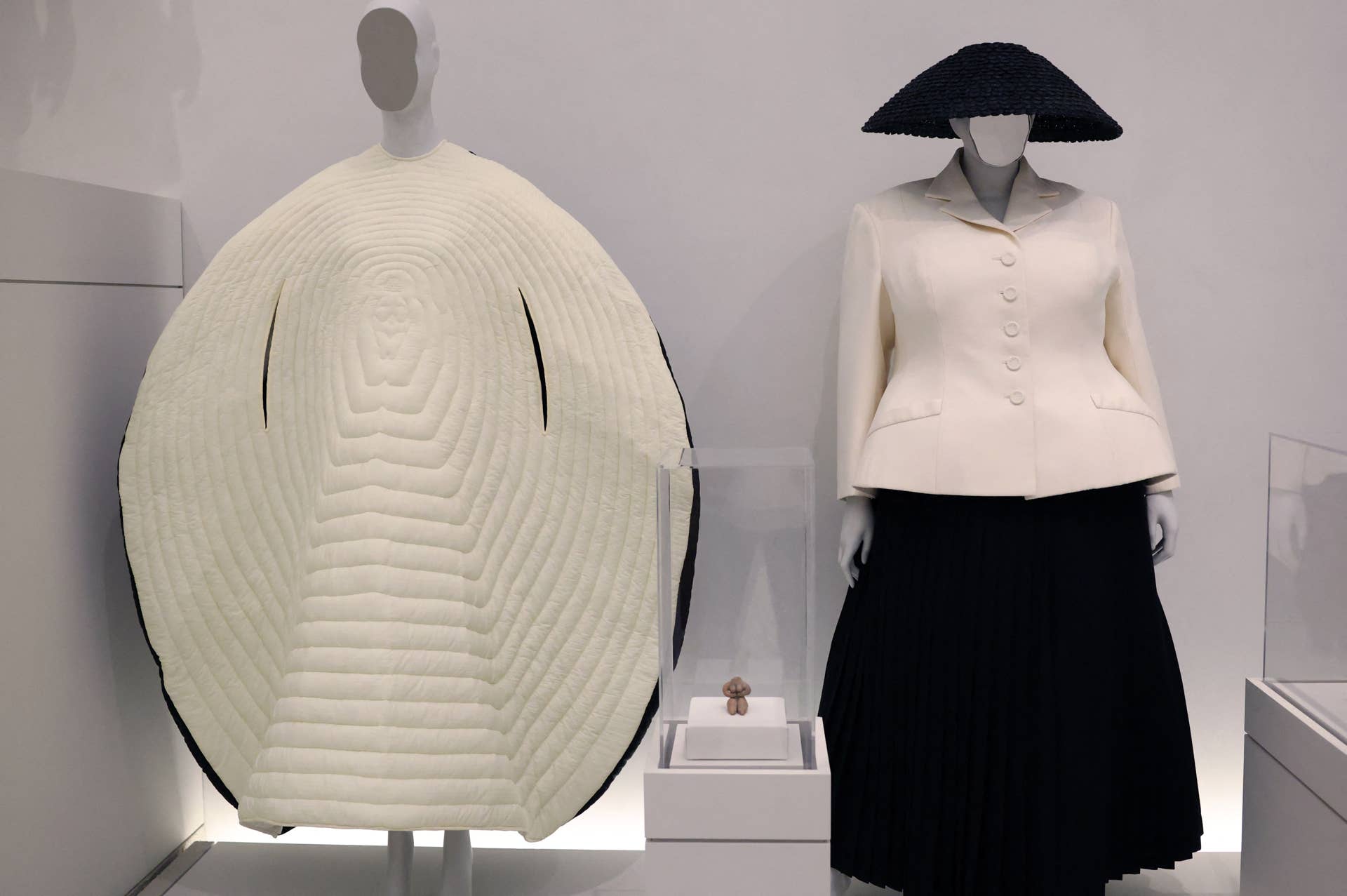
Photo: Timothy A. Clary/AFP via Getty Images
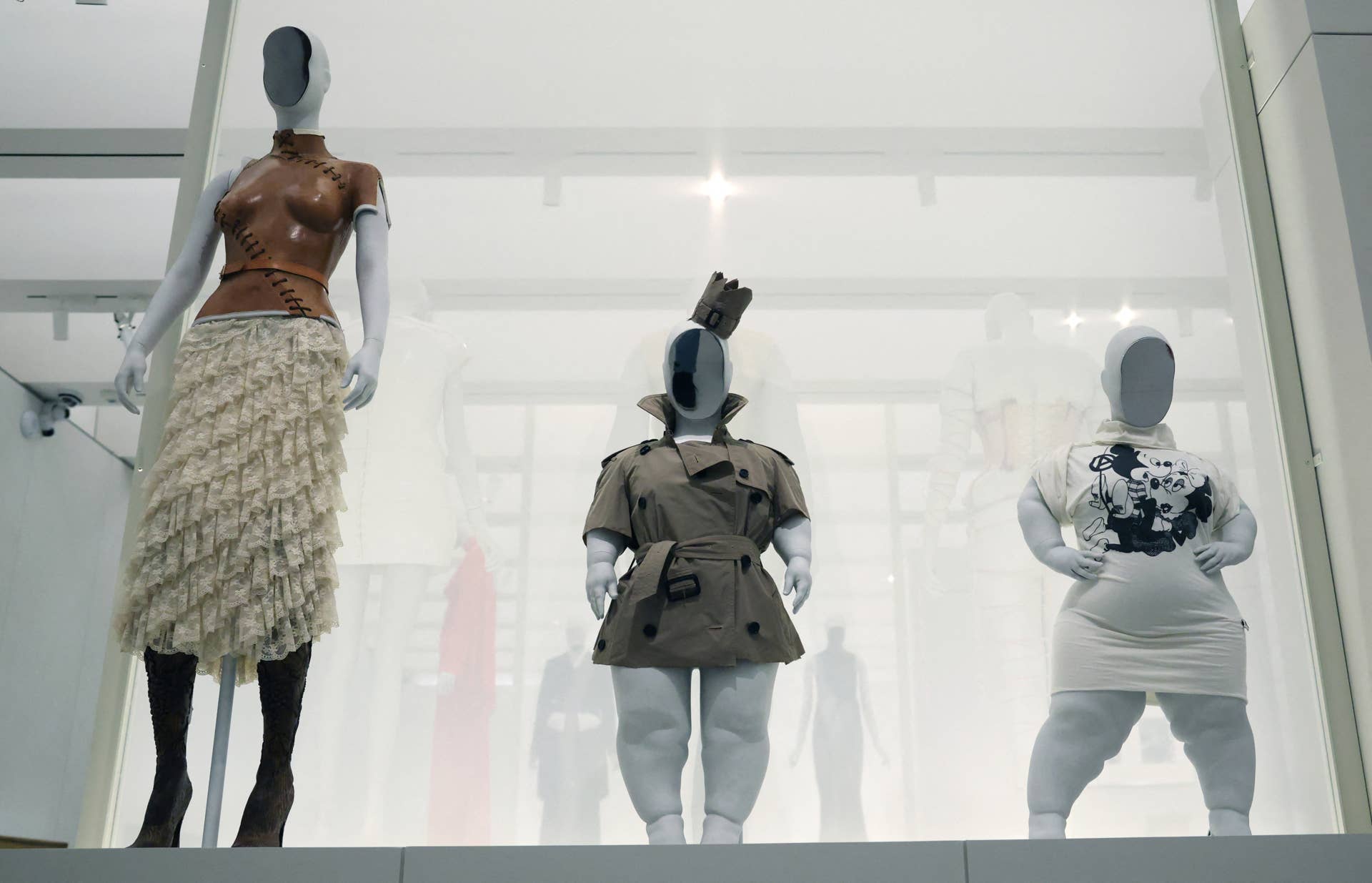
Photo: Timothy A. Clary/AFP via Getty Images
📌 Love fashion? Follow us for daily updates on our fashion blog! 🌟
🔹 #FashionTrends #StyleTips #OOTD #The Met's 'Costume Art' Exhibit Puts Every Type of Body on Display


Comments
Post a Comment