Where Does London Fashion Week Go From Here? – Latest Fashion Trends & Style Tips September 23, 2026 at 05:00PM
📰 Where Does London Fashion Week Go From Here?
{% if EntryImageUrl and EntryImageUrl != "" %}
✨ Fashion Insights & Trends:
The Spring 2027 London Fashion Week shows, which concluded in the British capital Monday, had fresh energy and unbridled spirit. British Fashion Council CEO Laura Weir’s regeneration strategy is taking hold and the results are tangible. Accredited buyer attendance was up 19% year-on-year and accredited international buyer attendance increased 41% for this season, according to the organization. Launchmetrics data from earlier this year showed that London Fashion Week’s MIV grew 56% year-on-year for February’s Fall 2026 season.
“There is a real sense of momentum around this season,” Weir tells Fashionista. “What excites me most is the combination of extraordinary creative talent with a renewed confidence in London as a place where fashion, culture and commerce collide.”
Legacy Brands Return to LFW
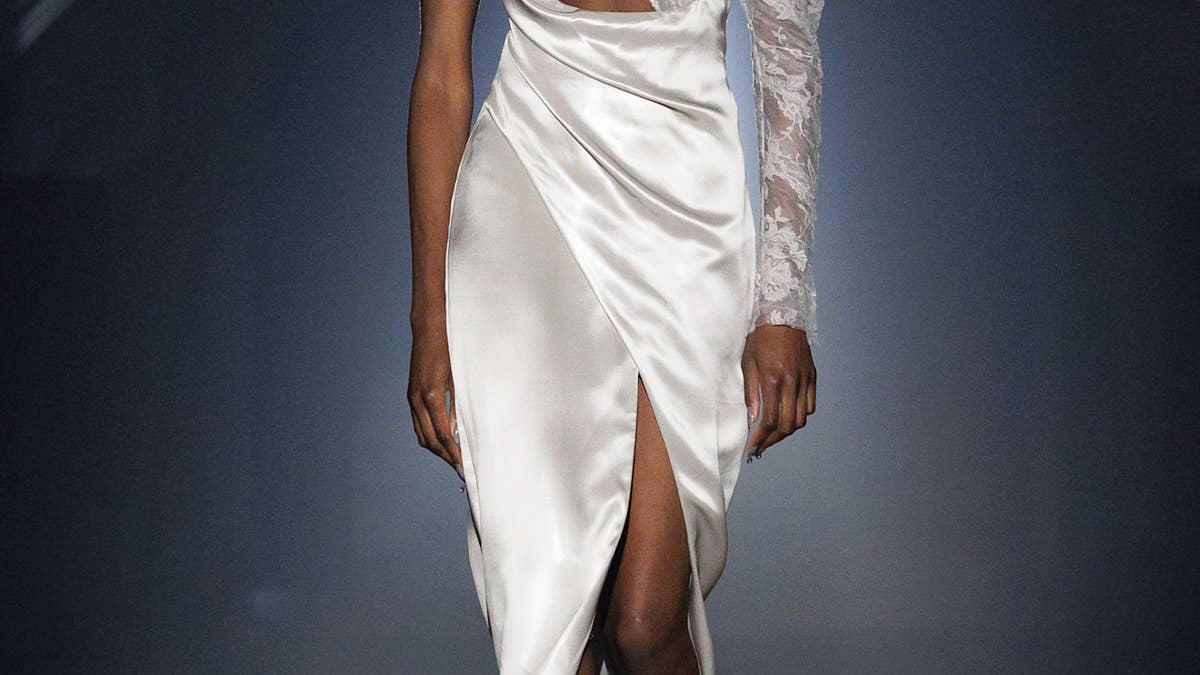
Photo: Launchmetrics Spotlight
The biggest endorsement came in the form of McQueen’s homecoming show. For the brand’s first London Fashion Week show in 10 years, Creative Director Seán McGirr fused the disparate worlds of Neoclassicism with rave culture into what he called “a celebration of London’s ceaselessly stimulating and transcendent power.”
Ahead of its first runway show in eight years on Sunday afternoon, Mulberry reported signs of an accelerating commercial recovery. Revenue rose 4% to £125.5 million in the year leading up to March 2026, with second-half growth accelerating to 11%, providing an auspicious backdrop to Christopher Kane’s debut which subverted the British brand’s heritage with a healthy dose of kink.
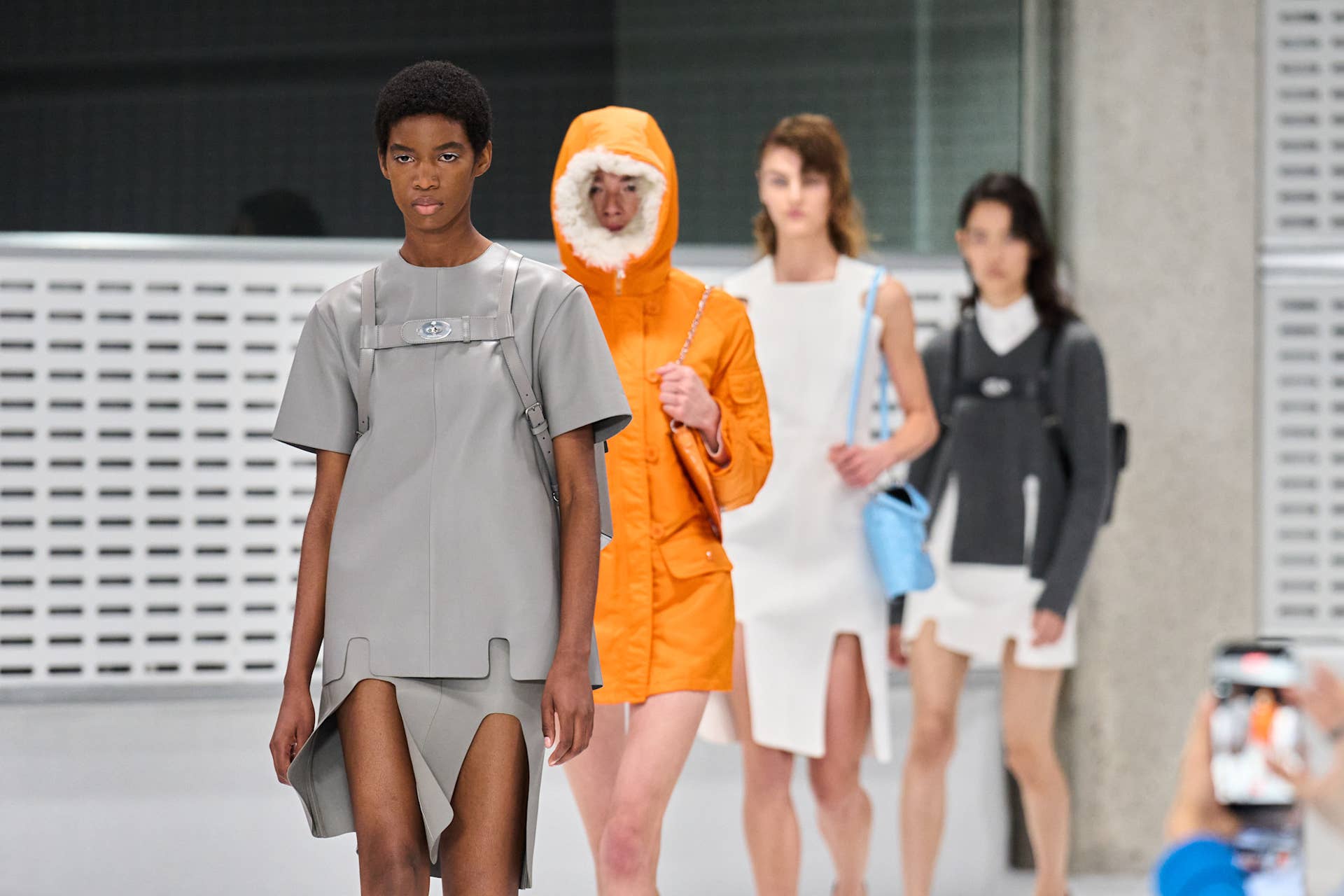
Photo: Launchmetrics Spotlight
Daniel Lee’s Burberry show on Monday night solidified British heritage and its contemporary culture as central to his narrative at the 170-year-old brand. The company’s turnaround strategy is beginning to take shape, too. Adjusted operating profit reached £160 million in the year to March 2026, up from £26 million the previous year.
London’s New Establishment
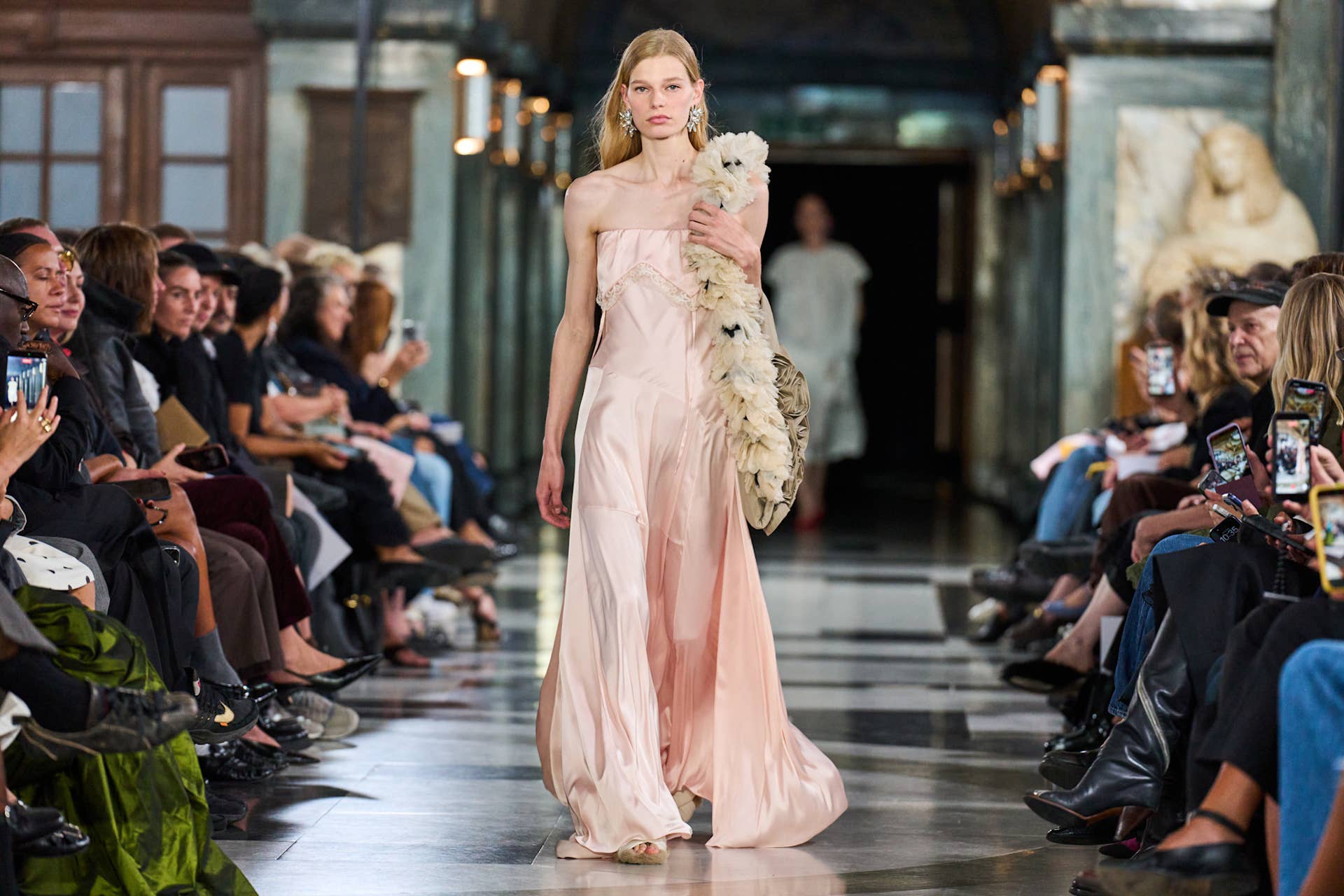
Photo: Launchmetrics Spotlight
The new establishment — Simone Rocha, Erdem and Roksanda — underscored the significance of London as a producer of world class talent. Simone Rocha’s tour-de-force show on Sunday morning demonstrated elegance and maturity as she stripped back the layers to achieve a frisky femininity that struck a chord with its emotional honesty. Erdem’s 1920s romp was a revelation, looser and sexier than ever before, as was Roksanda’s textural play on the rooftop of the National Theatre.
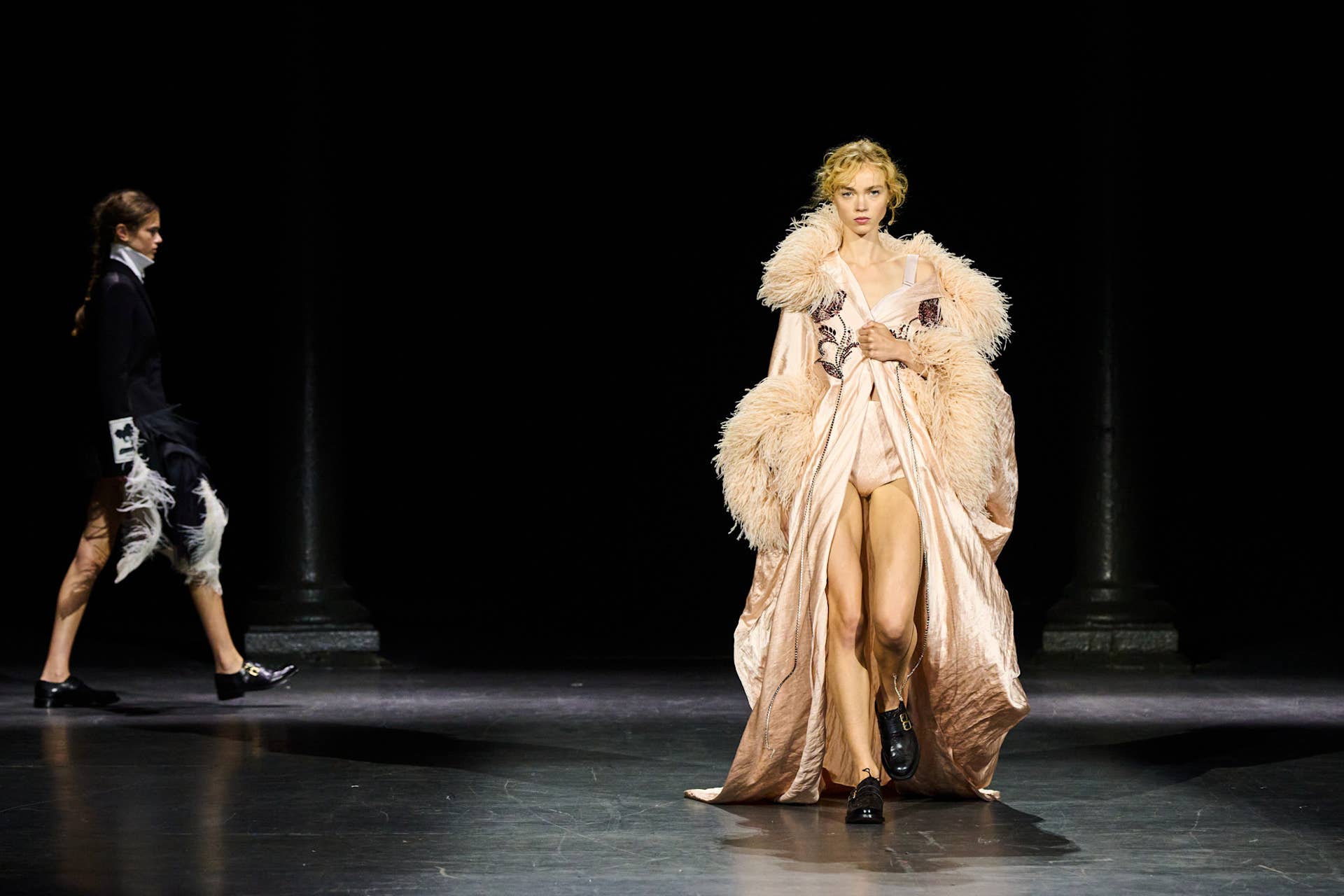
Photo: Launchmetrics Spotlight
“London is an important market for Neiman Marcus and Saks Fifth Avenue: The market is a thriving compilation of independent talent and legacy brands,” says Chloe King, fashion director, women’s, Neiman Marcus and Saks Fifth Avenue. “The world-building and clear points of view of Erdem and Simone Rocha translate into unique, emotional collections that truly resonate with our customer.”
Meanwhile, London’s beloved indie darlings are growing up: Chopova Lowena and KNWLS both presented shows that felt gutsy, honest and singular. Chopova Lowena’s freewheeling ideas, hodgepodge of deadstock fabrics and alternative cast of characters, juxtaposed with KNWLS’s deconstructed take on femininity, felt progressive.
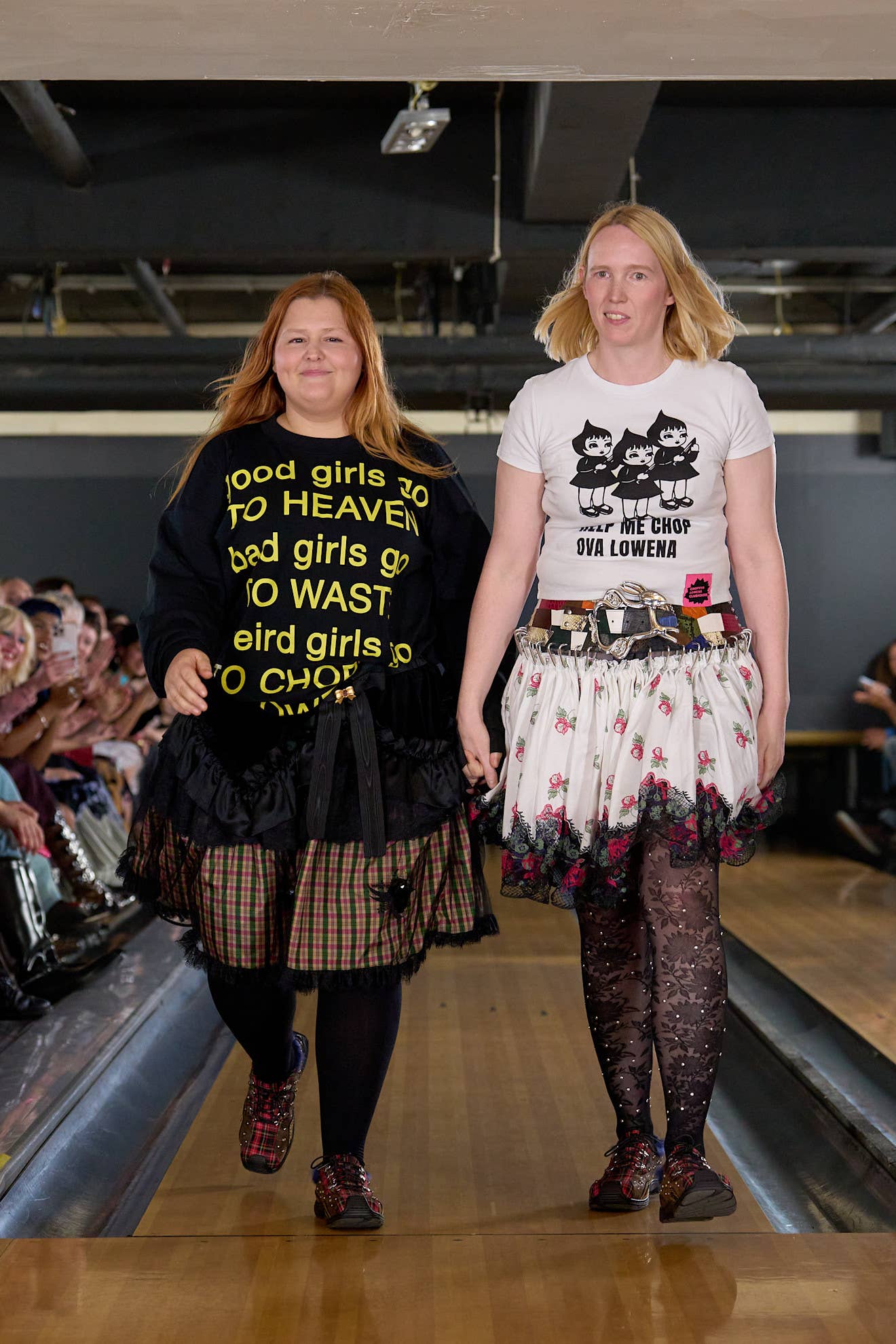
Photo: Launchmetrics Spotlight
The city’s younger upstarts are heating up as well: There is a fierce appetite for Johanna Parv, Talia Byre and Steve O Smith. Parv’s outing on Saturday was sporty and pragmatic, full of clean lines and smart techwear; Byre’s crisp all-white show was shot through with neon pink and denim. Meanwhile, Smith’s intimate presentation was modeled on a lecture, to fully encapsulate his artisanal techniques and painterly brushstrokes.
“London remains such a creative hub during fashion week. There are always so many exciting brands to discover, alongside emerging designers who bring the eclecticism, experimentation and sense of individuality that London is known for,” says Brigitte Chartrand, chief merchandising officer at Net-a-Porter, which stocks London labels including Emilia Wickstead, Roksanda and young stars Aaron Esh, Pauline Dujancourt and Liberowe.
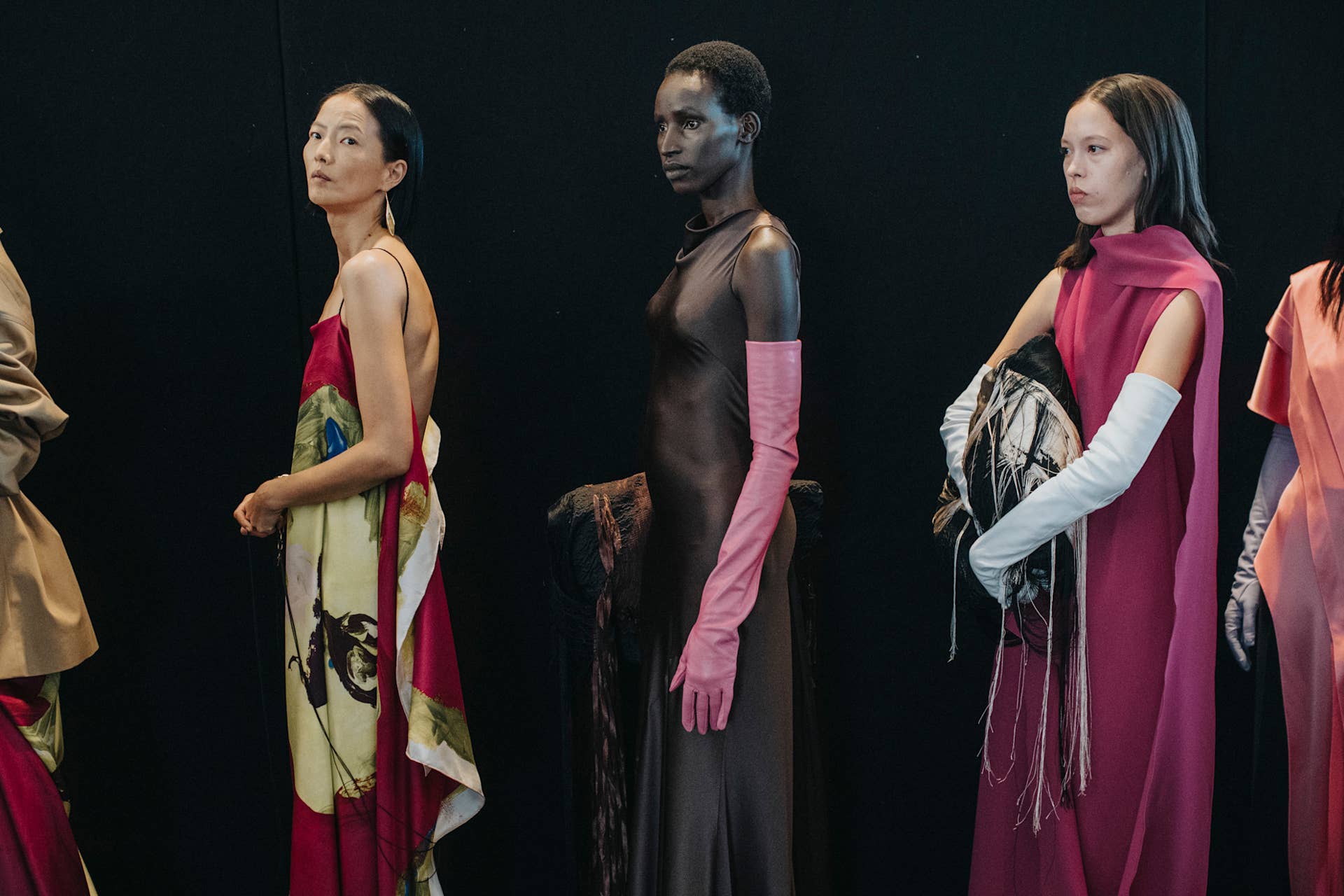
Photo: Launchmetrics Spotlight
Talia Loubaton, founder of Liberowe, hosted her sophomore presentation this season, and said there is no other city that would make sense for her, not least because 80% of the collection is made in London. She says, “being part of the London scene is very important. There is space for newness and experimentation here.”
“It’s been a learning curve,” says Gui Rosa, whose spunky debut at a hotel in Westminster melded the transgression of an Almodovar film with a “Gossip Girl”-inspired debutante ball and her grandmother’s wardrobe. Growing her business, built largely around hand-crochet and knitwear, is as important as exposure, and she understands that it will most likely reach a limited but hopefully devoted audience. “Not everyone will want a cardigan and a pencil skirt. We have to be really clever.”
Distinguishing Between London Fashion Week and London’s Fashion Industry
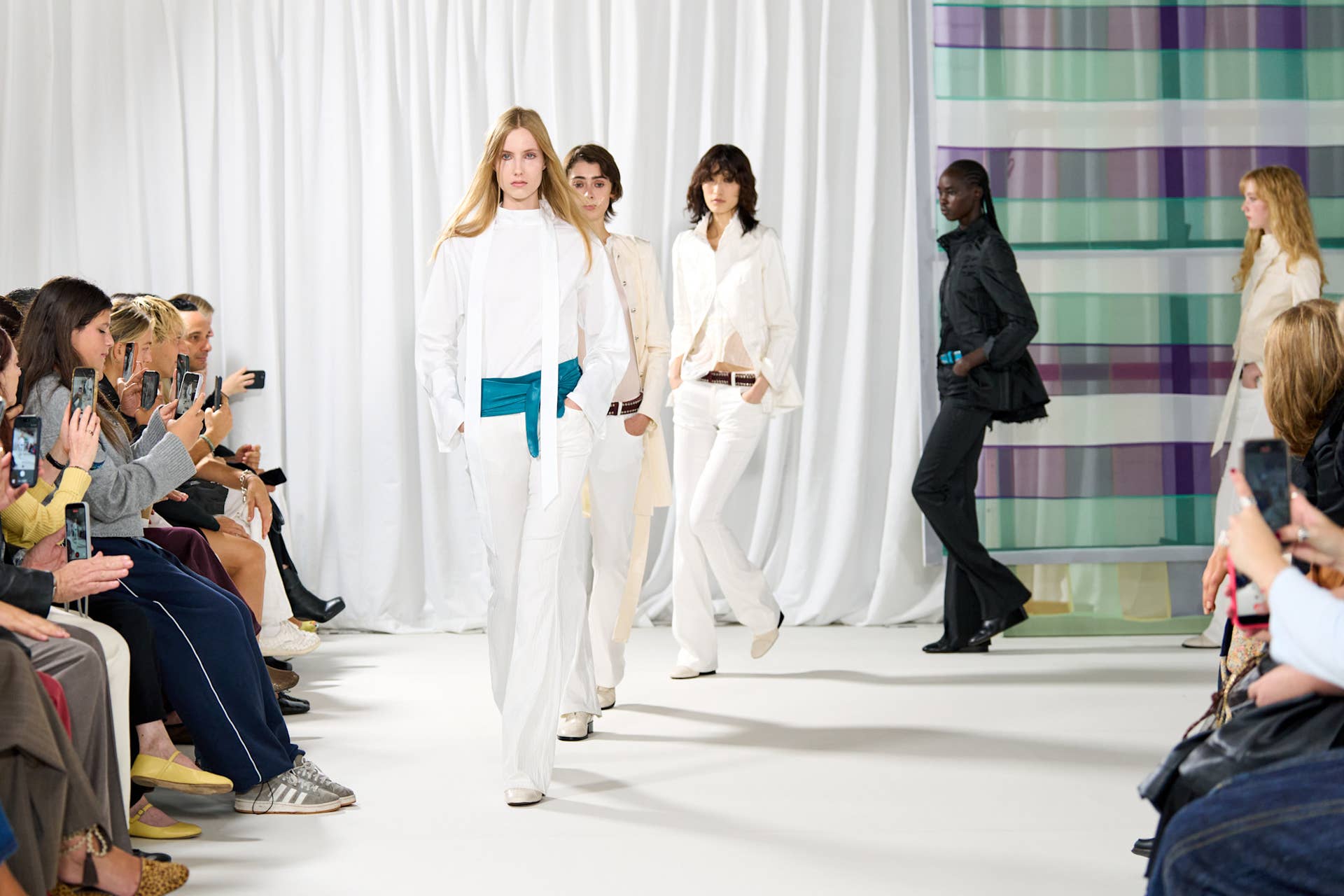
Photo: Launchmetrics Spotlight
The question remains whether these nascent talents — which the city prides itself on producing — can translate cultural momentum around the event into viable companies, and whether the city can hold onto them. Names like Victoria Beckham, Stella McCartney and Kiko Kostadinov set an example to others as they join the Paris Fashion Week schedule. Buzzy upstart Conner Ives decamped to New York Fashion Week for the season. Christopher Kane shuttered his namesake label three years ago.
“London Fashion Week’s recovery is real, but so far it’s a recovery of the event, not the ecosystem,” says Christopher Morency, chief brand officer at Dogma, a creative agency.
“There is a distinction between the health of our creative pipeline and the health of the commercial ecosystem supporting it,” Weir says. Since joining the BFC, she’s waived schedule fees for participating designers, invested heavily in the international visitor program, and raised more than £1.3 million in grants and scholarships. “Designers are dealing with high costs, challenging wholesale conditions, access to finance and an increasingly complex international trading environment.”
To further address this, BFC 2030: Access, Creativity, Growth was launched this year to help sustain the growth of young talents, providing them with the appropriate resources to develop their businesses. The plan involves increasing access to finance and business expertise and building stronger connections between the industry and government.
Indie Designers Making It Work
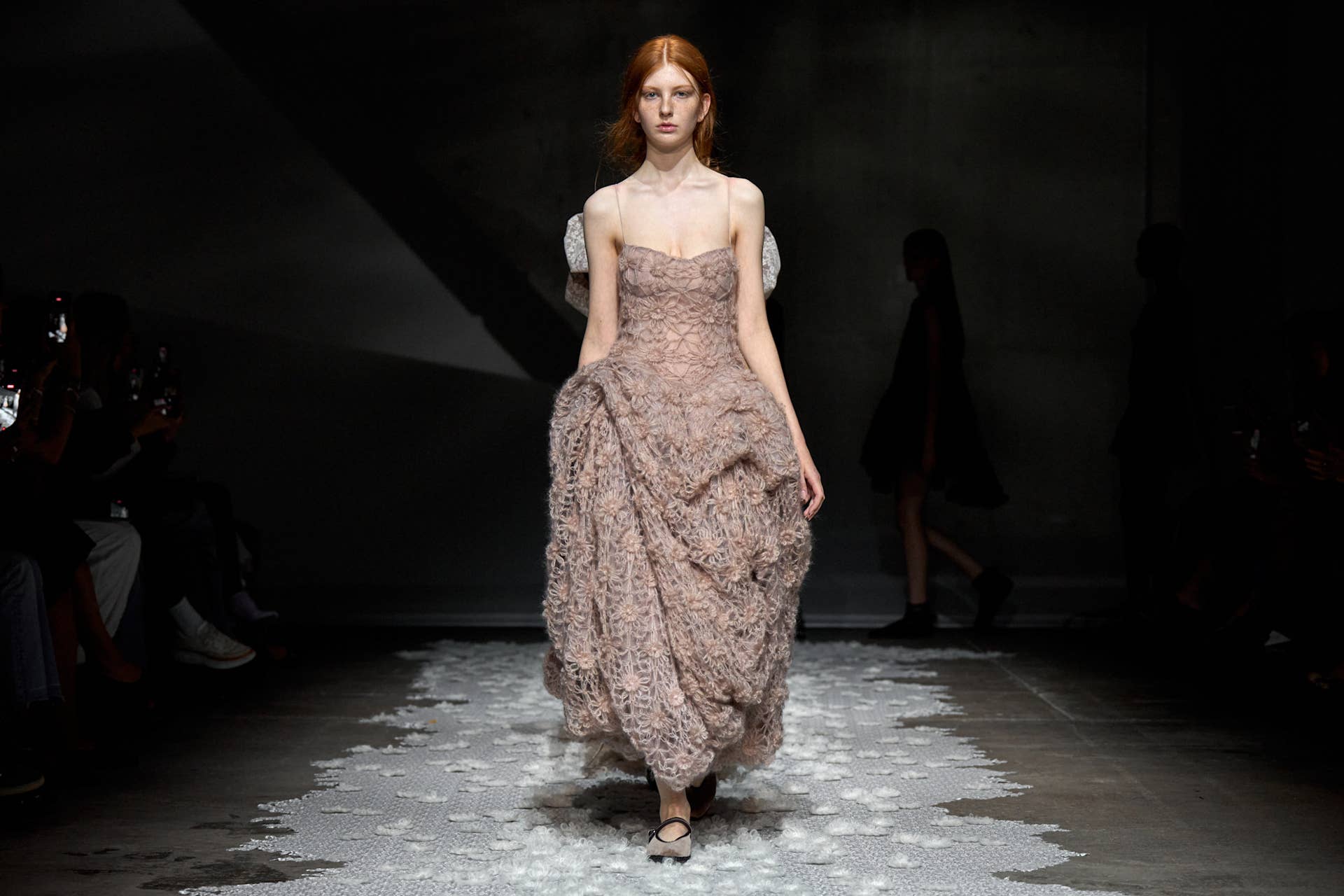
Photo: Launchmetrics Spotlight
It’s evident that many young designers on the schedule are beginning to rethink the classic pipeline of fashion school-to-London Fashion Week and wholesale-to-international recognition. They supplement the traditional model with an emphasis on community, social media and direct-to-consumer businesses.
It’s hard not to be charmed by the focused approaches of brands like Yaku, which has expanded into womenswear, A.V. VATTEV, which presented a compelling short film, or 5000, which debuted its tailoring prowess at a simple-yet-striking presentation focused on suiting. They each bring a unique, sharp and direct proposal that sits comfortably within the traditional system while keeping things nimble and small-scale.
It’s even sweeter if you can translate artisanal craft into something commercially viable like Pauline Dujancourt did this season, with fresh backing from Dover Street Market Paris. The designer’s Spring 2027 offering will help translate her feminine sensibility into a more commercially tangible proposition.
London’s young designers are also taking on collaborations and sponsorships — like Aaron Esh with AllSaints or Priya Ahluwalia with Puma — to communicate their message. Or they’re investing in their direct-to-consumer businesses like Talia Byre, or collaborating with each other, like Liberowe with jewelry brand By Pariah.
Where London Fashion Week Goes From Here
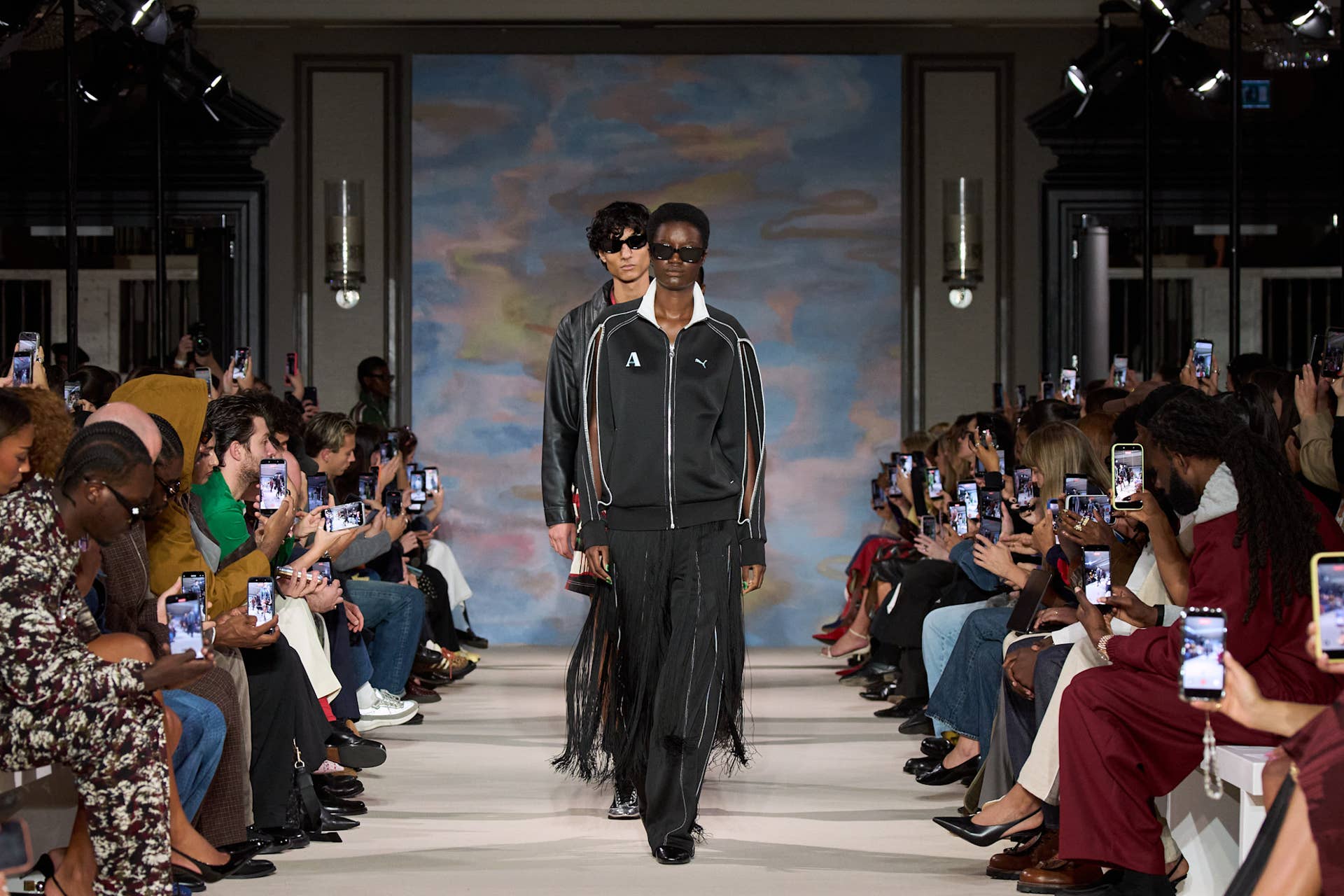
Photo: Launchmetrics Spotlight
“Britain does not have a creativity problem,” Weir declares. “The challenge is making sure extraordinary British creativity can translate into resilient, globally competitive businesses.” Though the BFC is building on its ability to support local talent, perhaps the next phase is to broaden the conception of British fashion itself.
Morency suggests the British fashion industry is overlooking the brands converting cultural heat into commercially viable businesses. For example, Gymshark reported £646 million in revenue for FY25, Adanola posted £102.6 million in FY26 and Represent reported £93.8m for 2024, up from just under £50m in 2022. Similarly, Corteiz, Tala and UVU are gaining traction outside the industry system.
“Many people don’t see these brands as ‘fashion-worthy,’ and that’s a serious mistake. Almost all of them were built outside London’s bubble and outside its support system,” Morency explains.
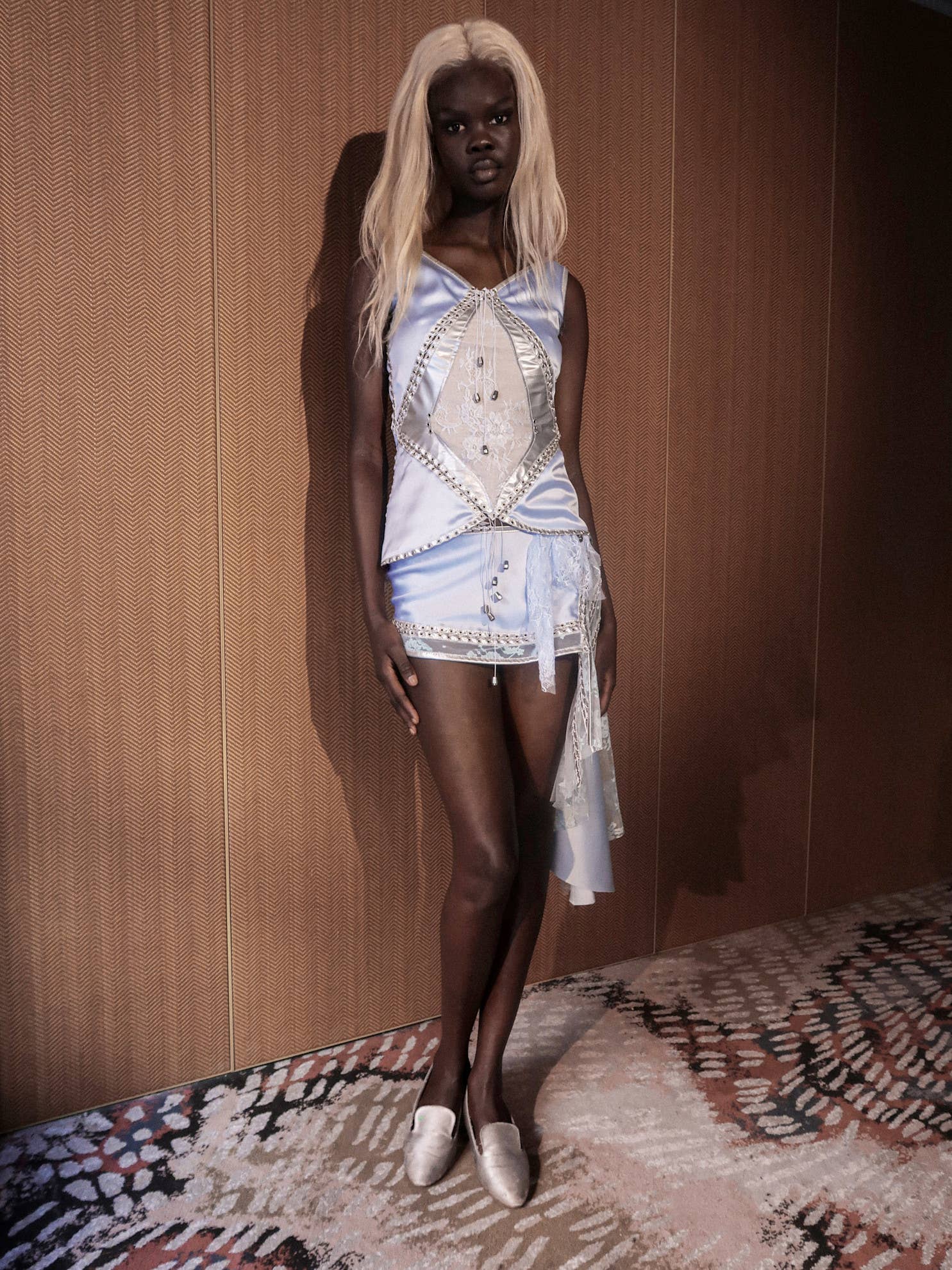
Photo: Launchmetrics Spotlight
If London Fashion Week is to play a role in rebuilding British fashion, perhaps the event itself must eventually become more than a calendar of designer runway shows. The early signs are there, especially as London Fashion Week embraces retail concepts with Dover Street Market and the high street — H&M, M&S and Topshop & Topman had events billed on the official calendar.
But this London Fashion Week is just the tip of the iceberg. A greater British fashion redux is the ultimate goal.
📌 Love fashion? Follow us for daily updates on our fashion blog! 🌟
🔹 #FashionTrends #StyleTips #OOTD #Where Does London Fashion Week Go From Here?


Comments
Post a Comment